Description
Ogma is the modular flight computer I lead for the University of Limerick's high-powered rocketry team. It is built for a student rocket targeting roughly 9km altitude.

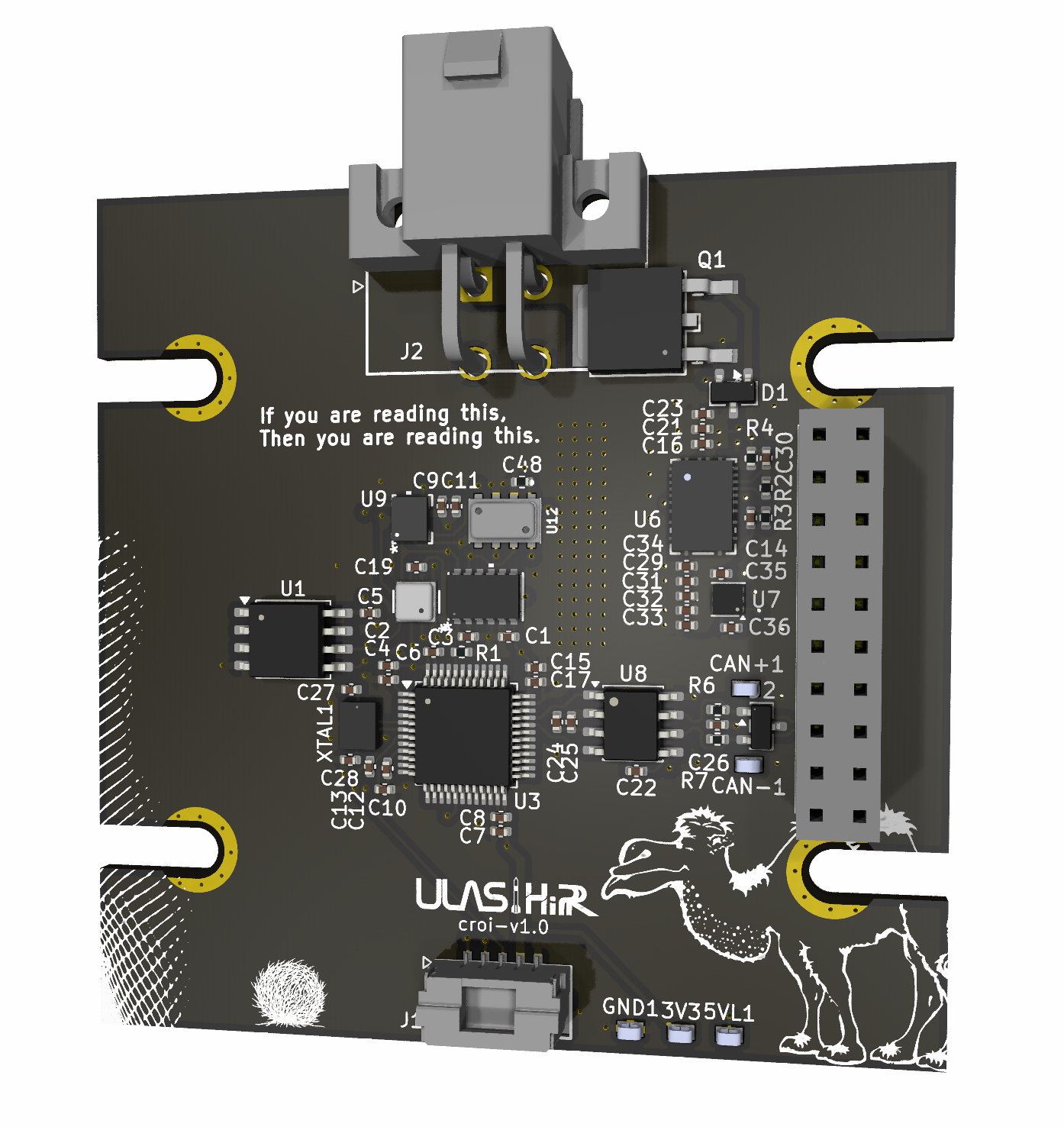
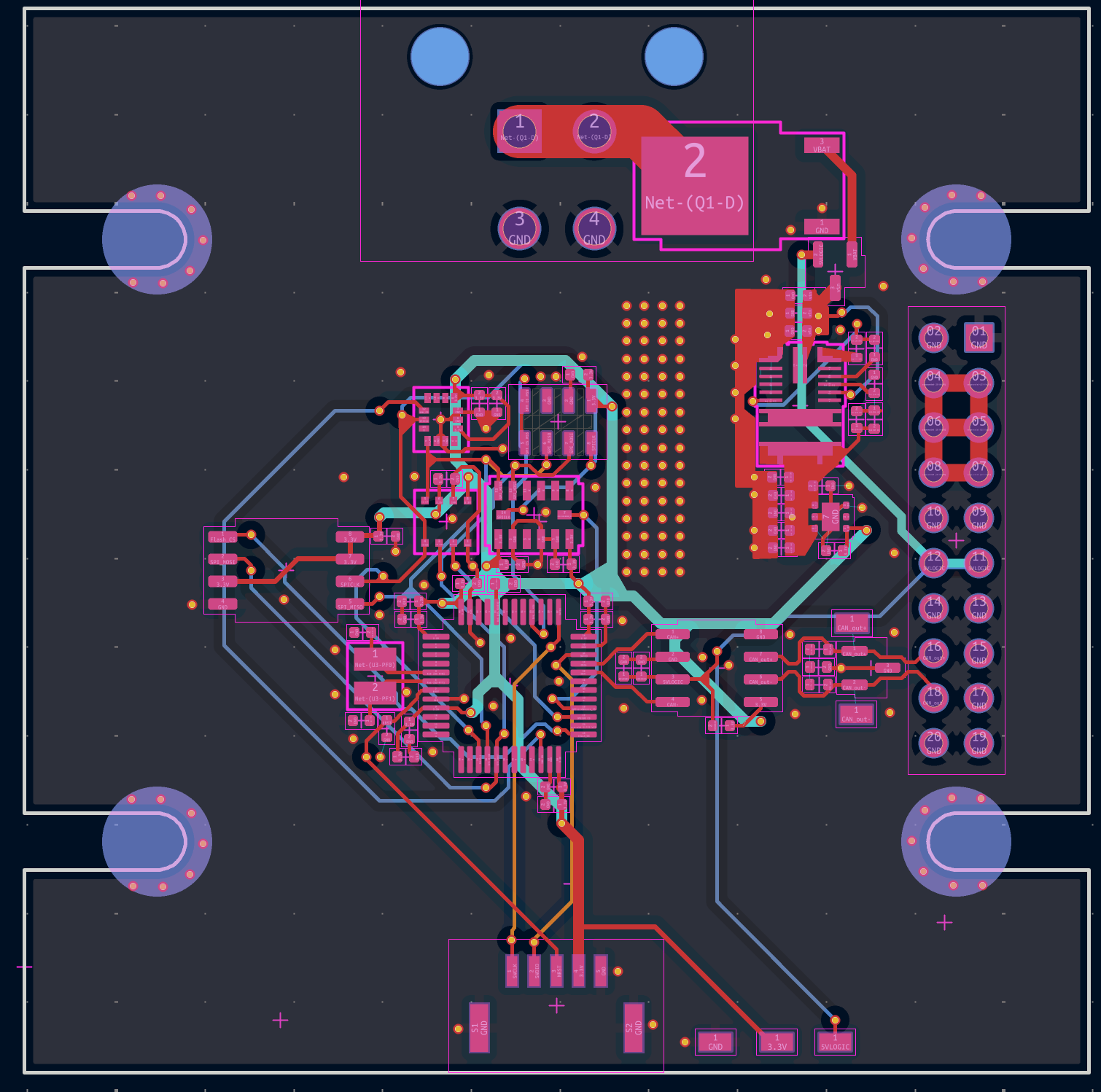
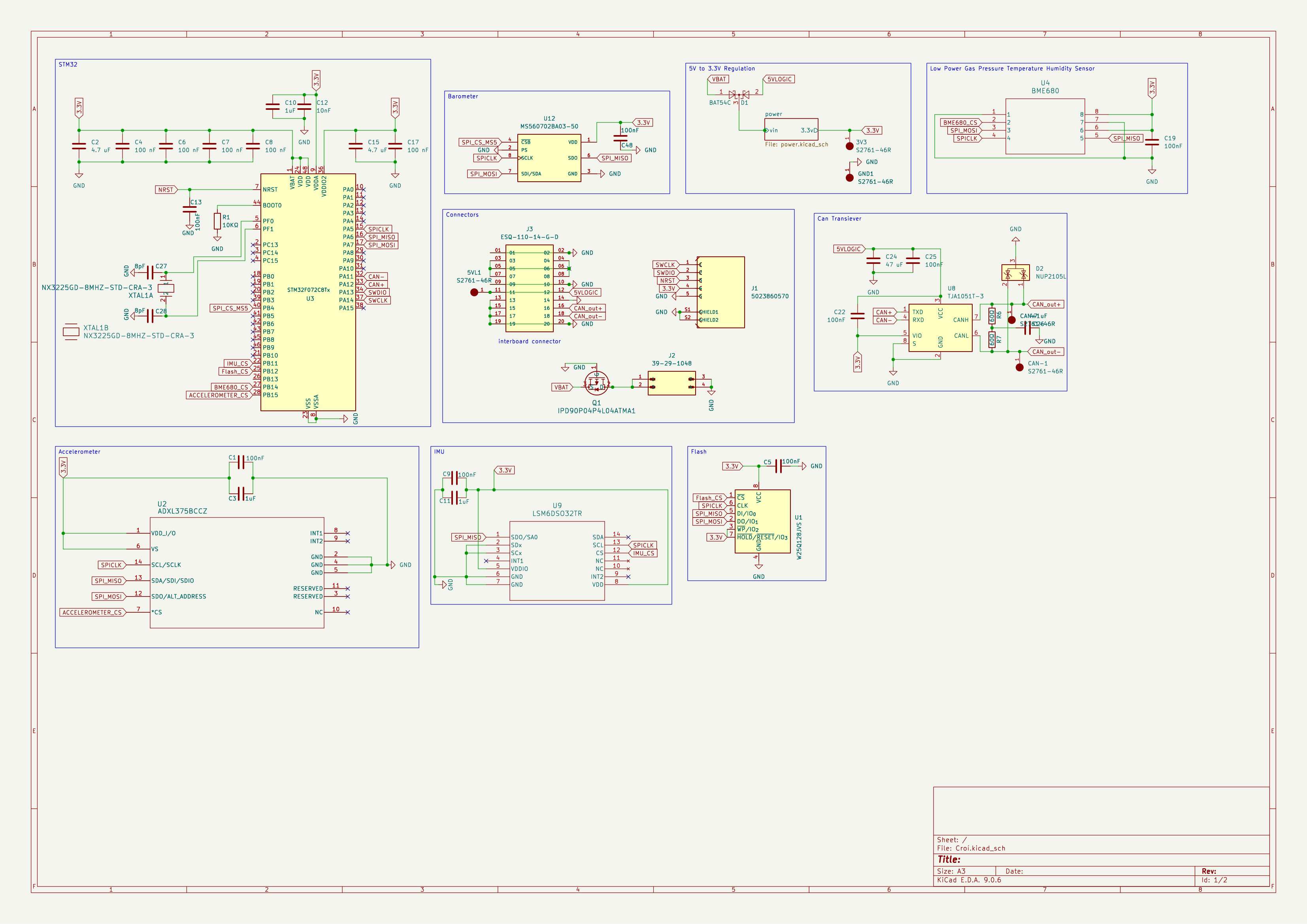
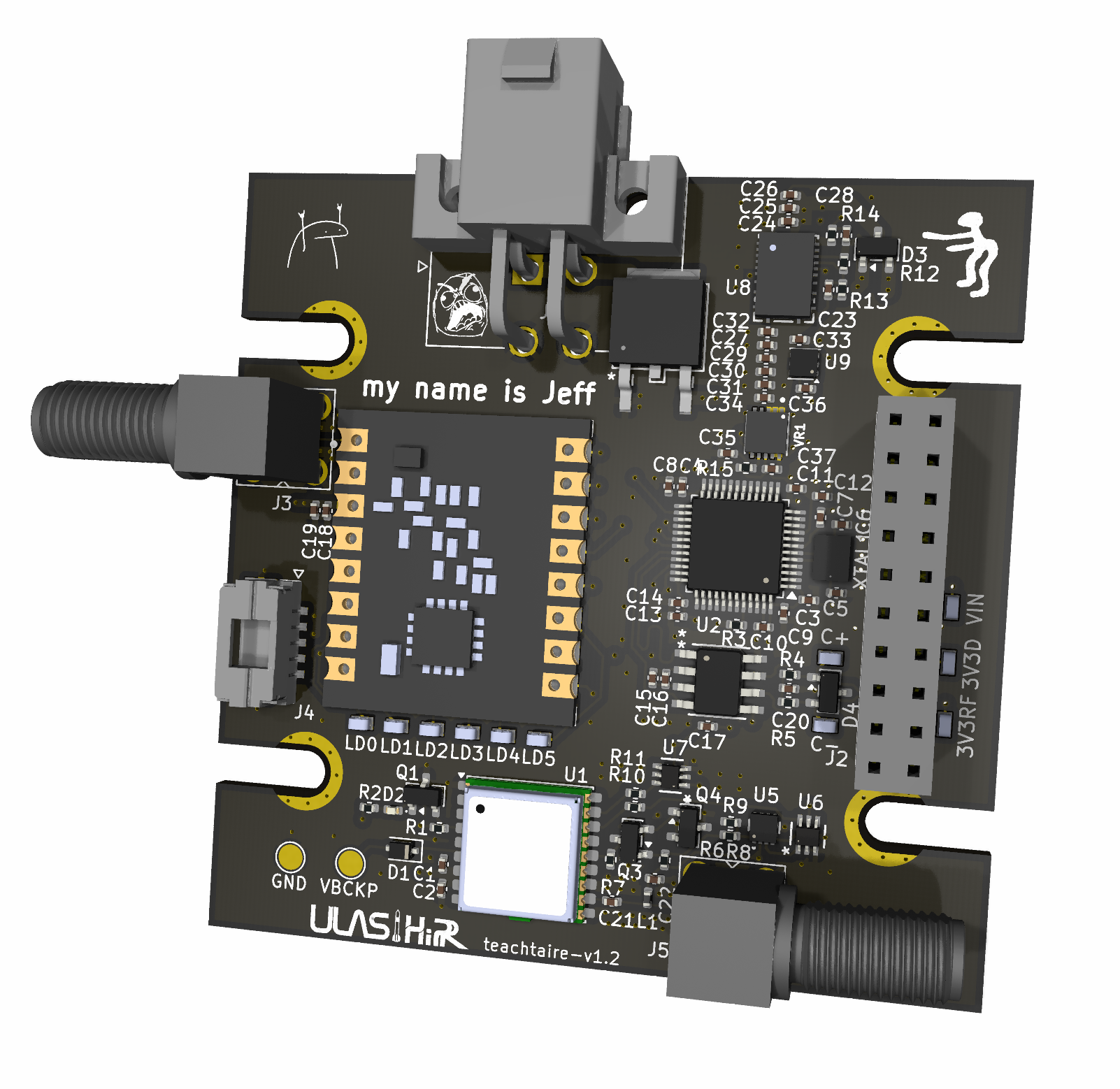
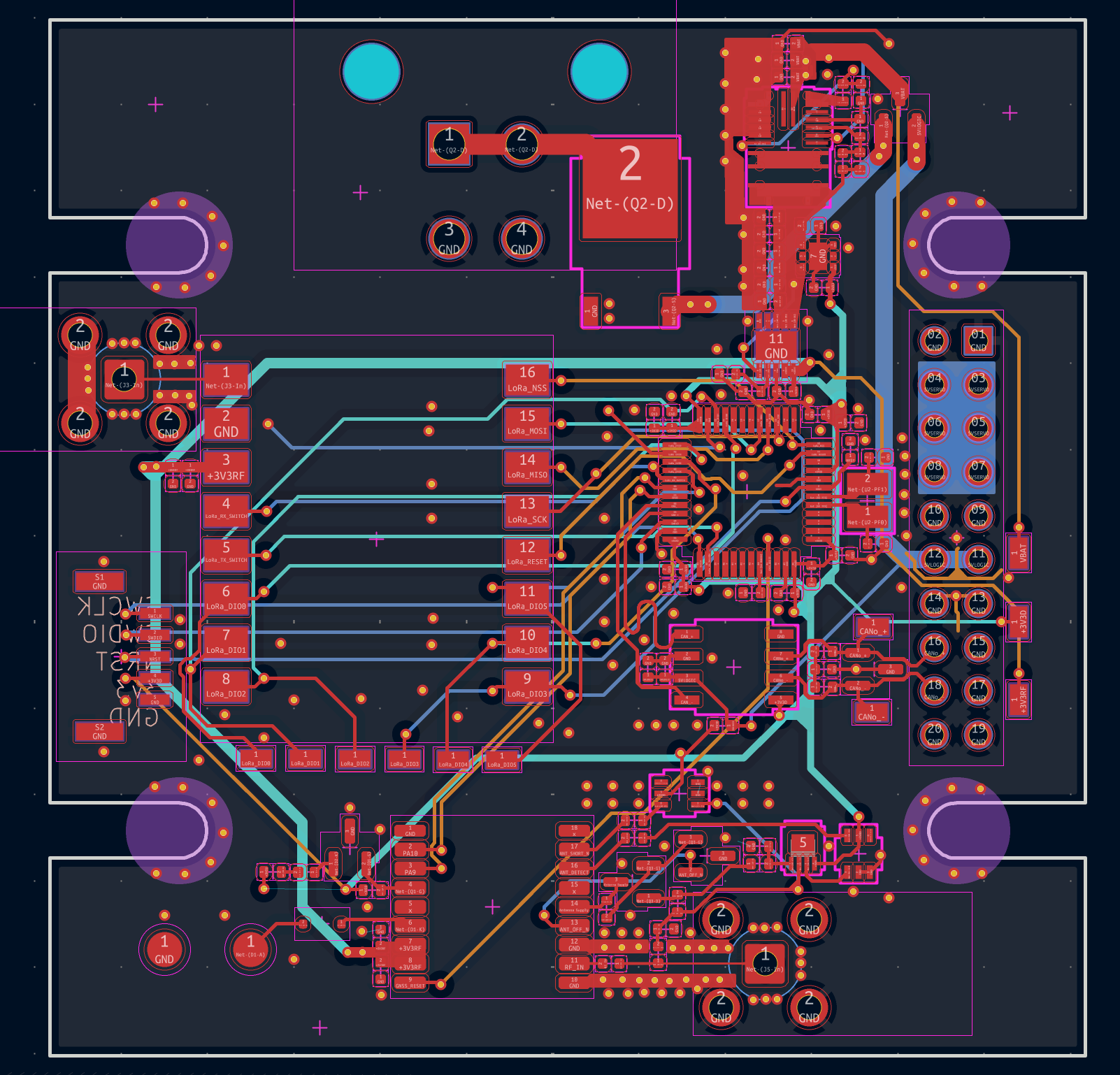
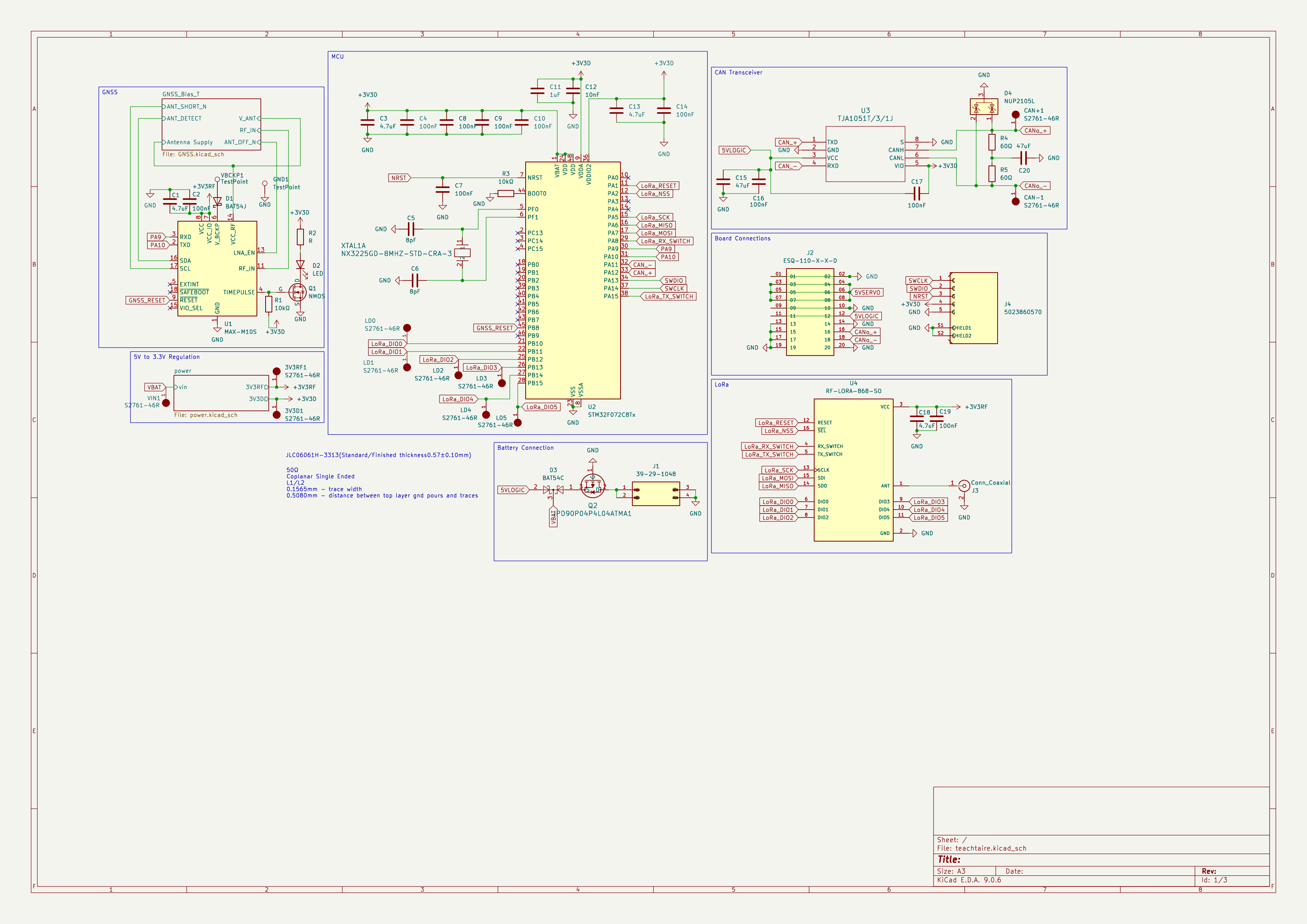
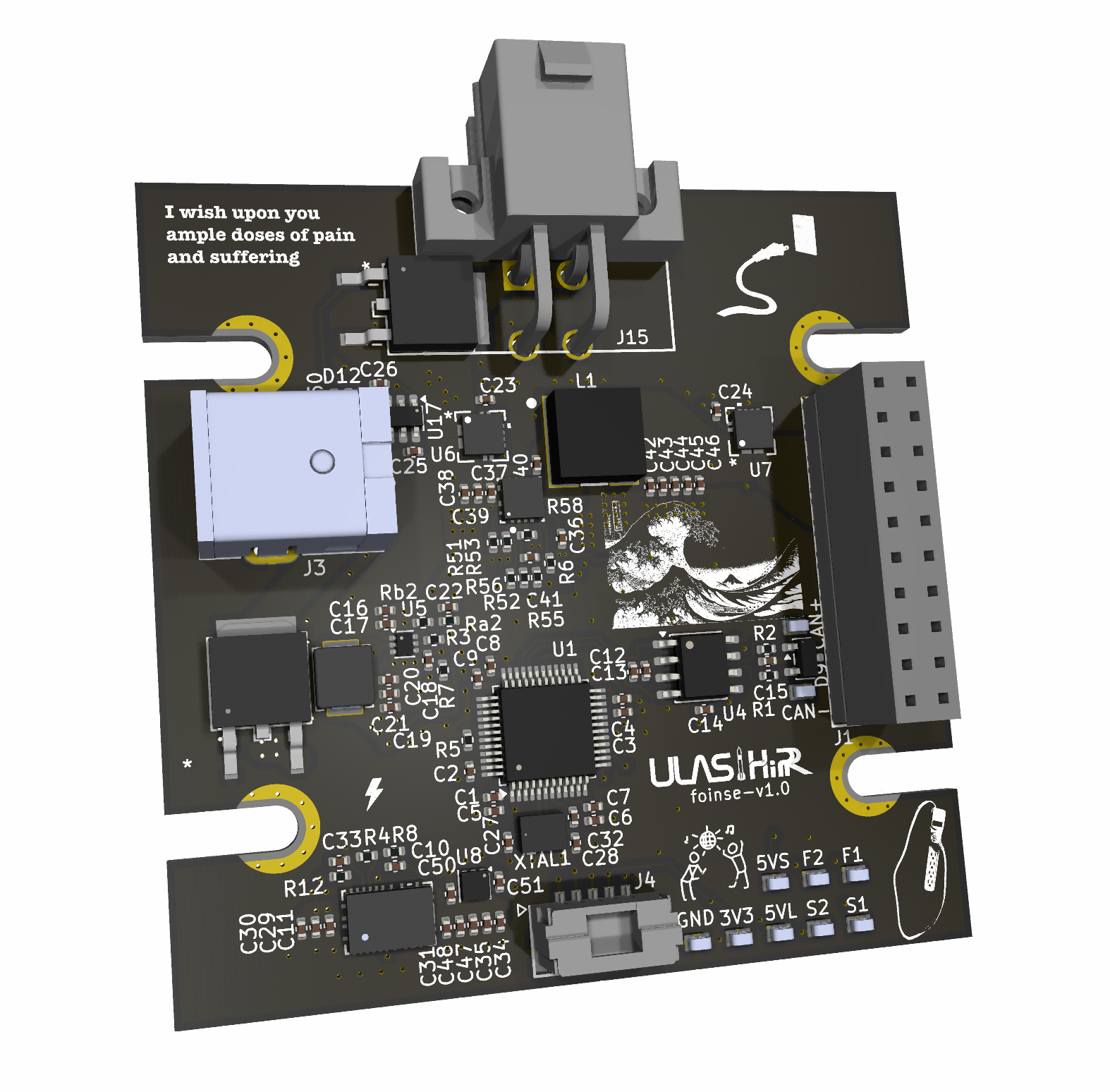
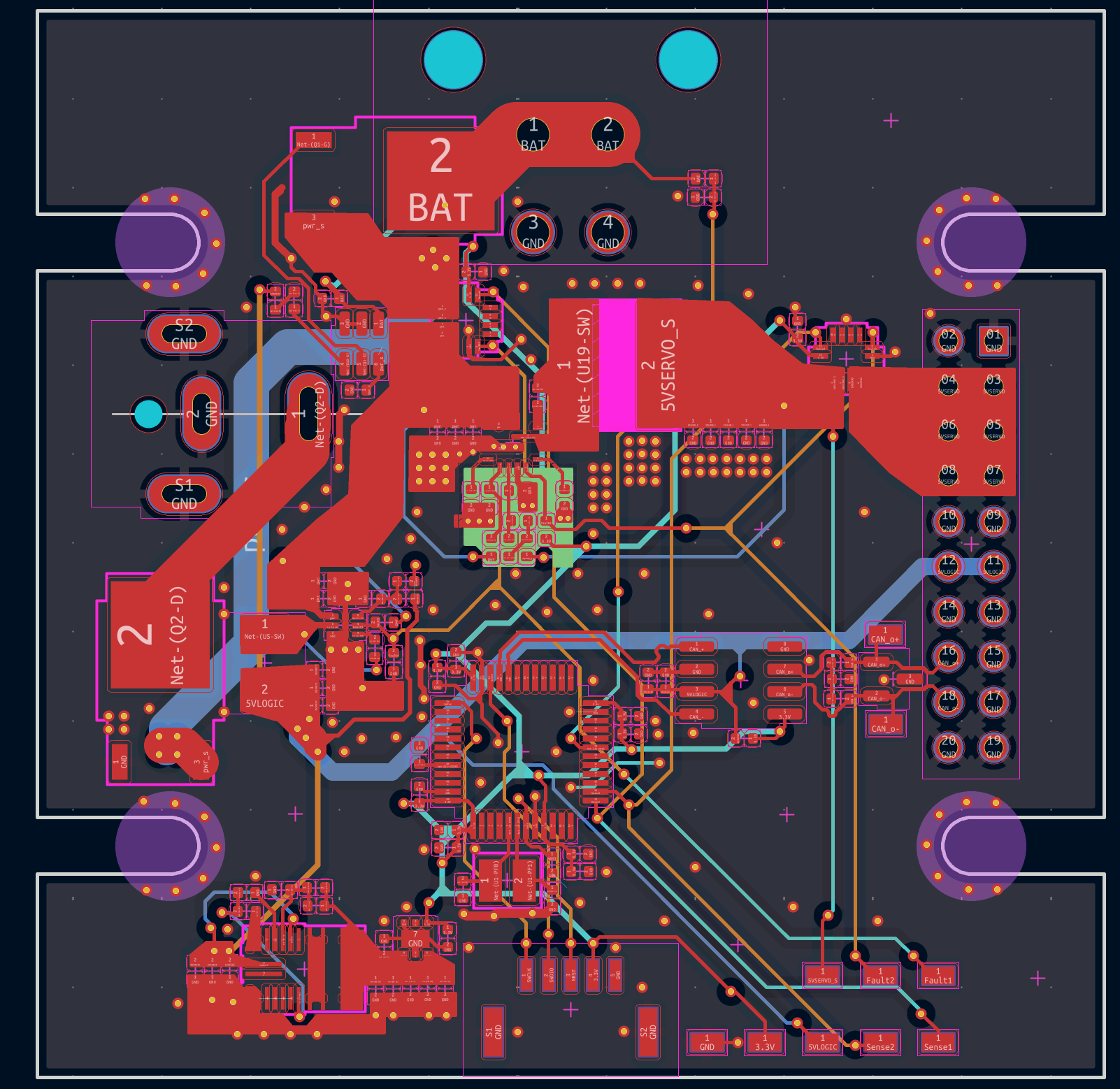
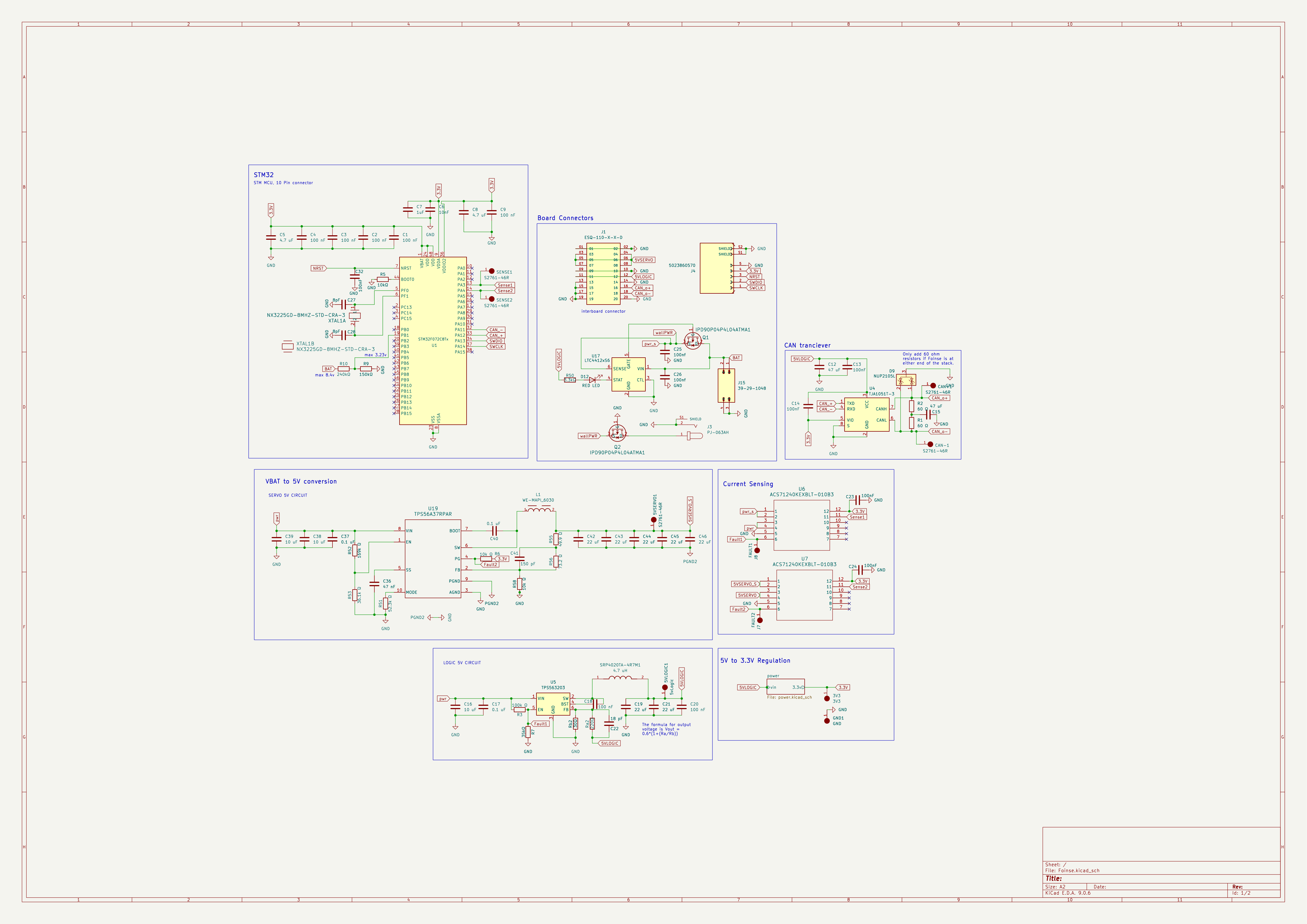
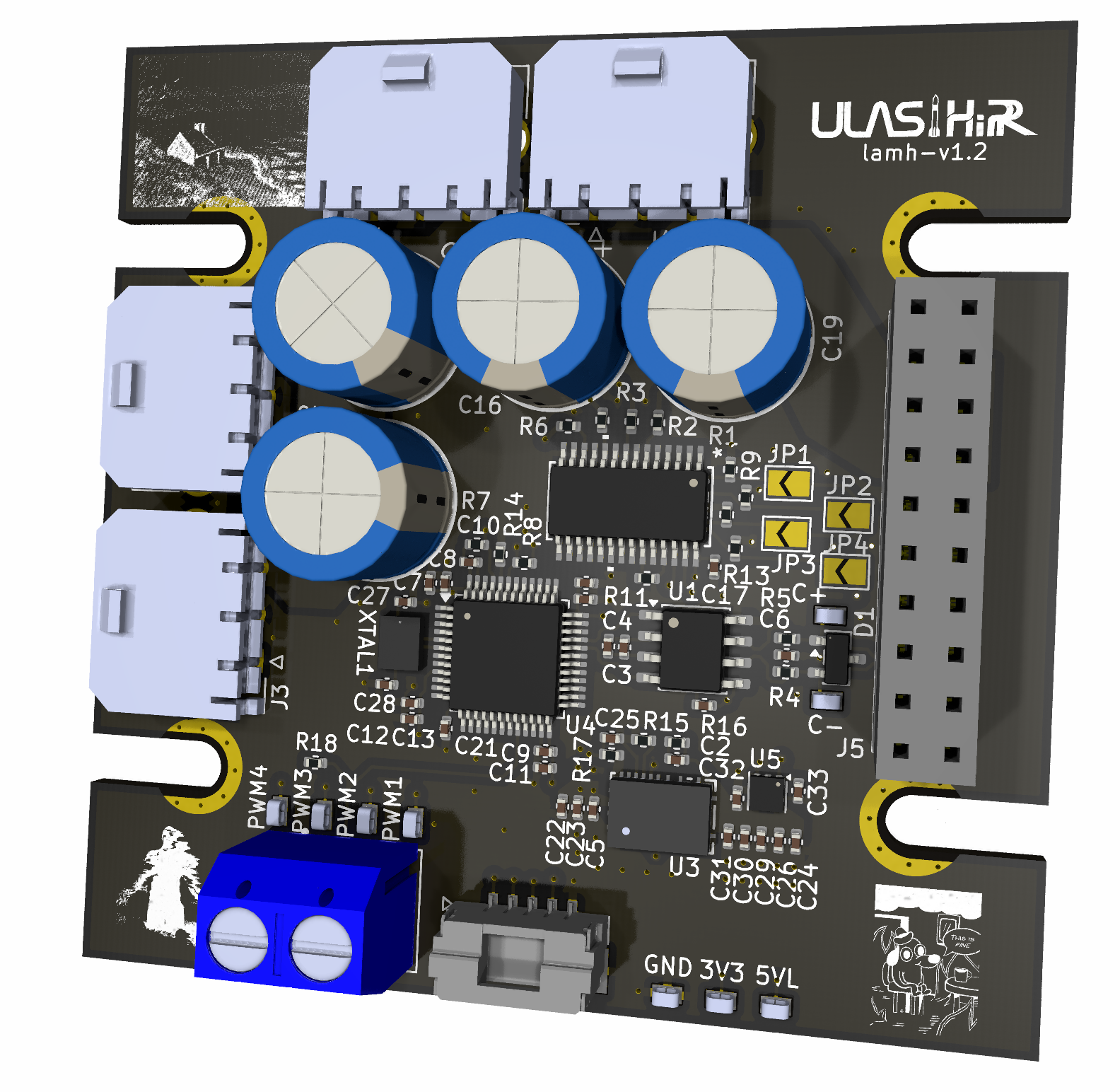
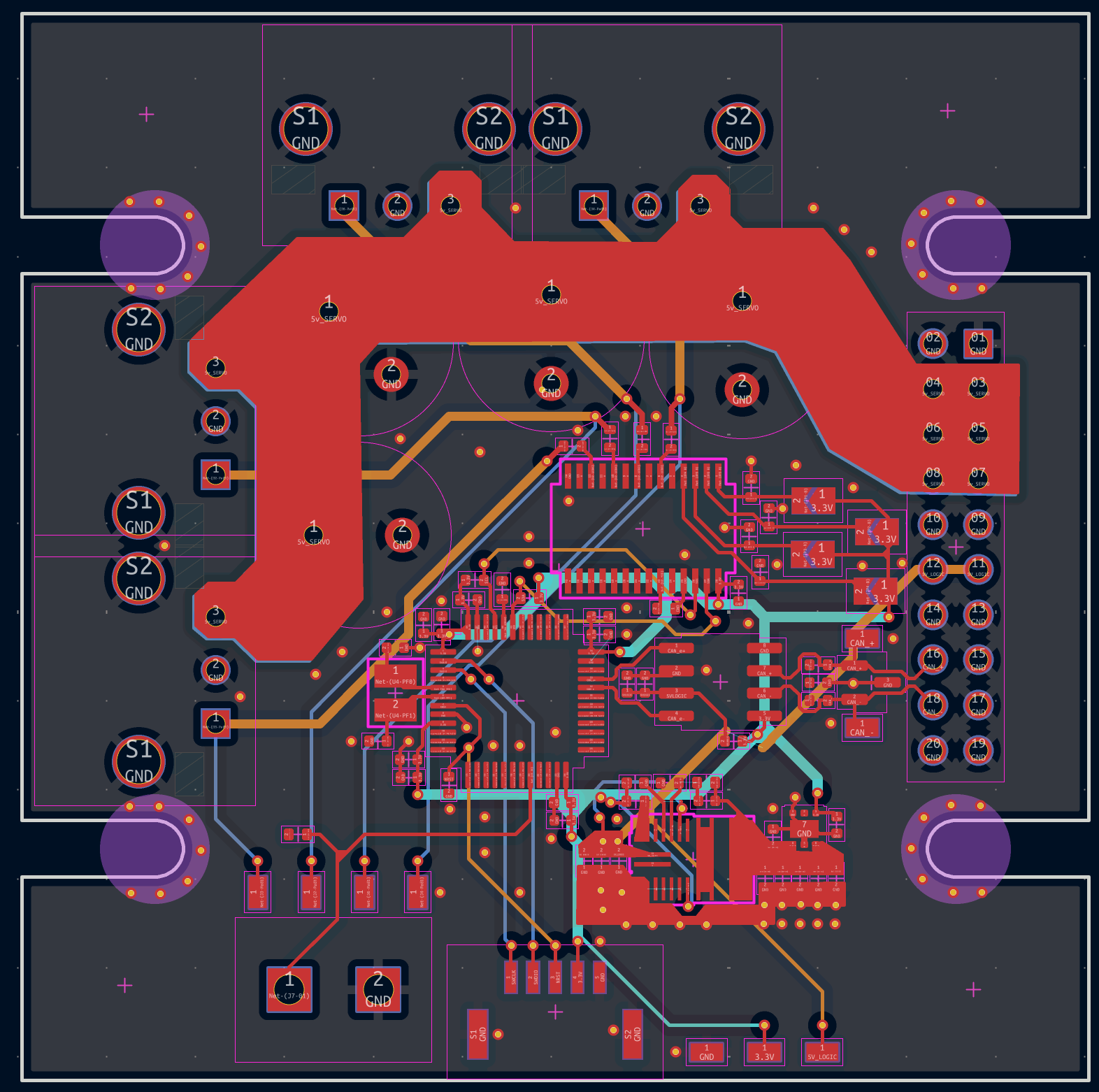
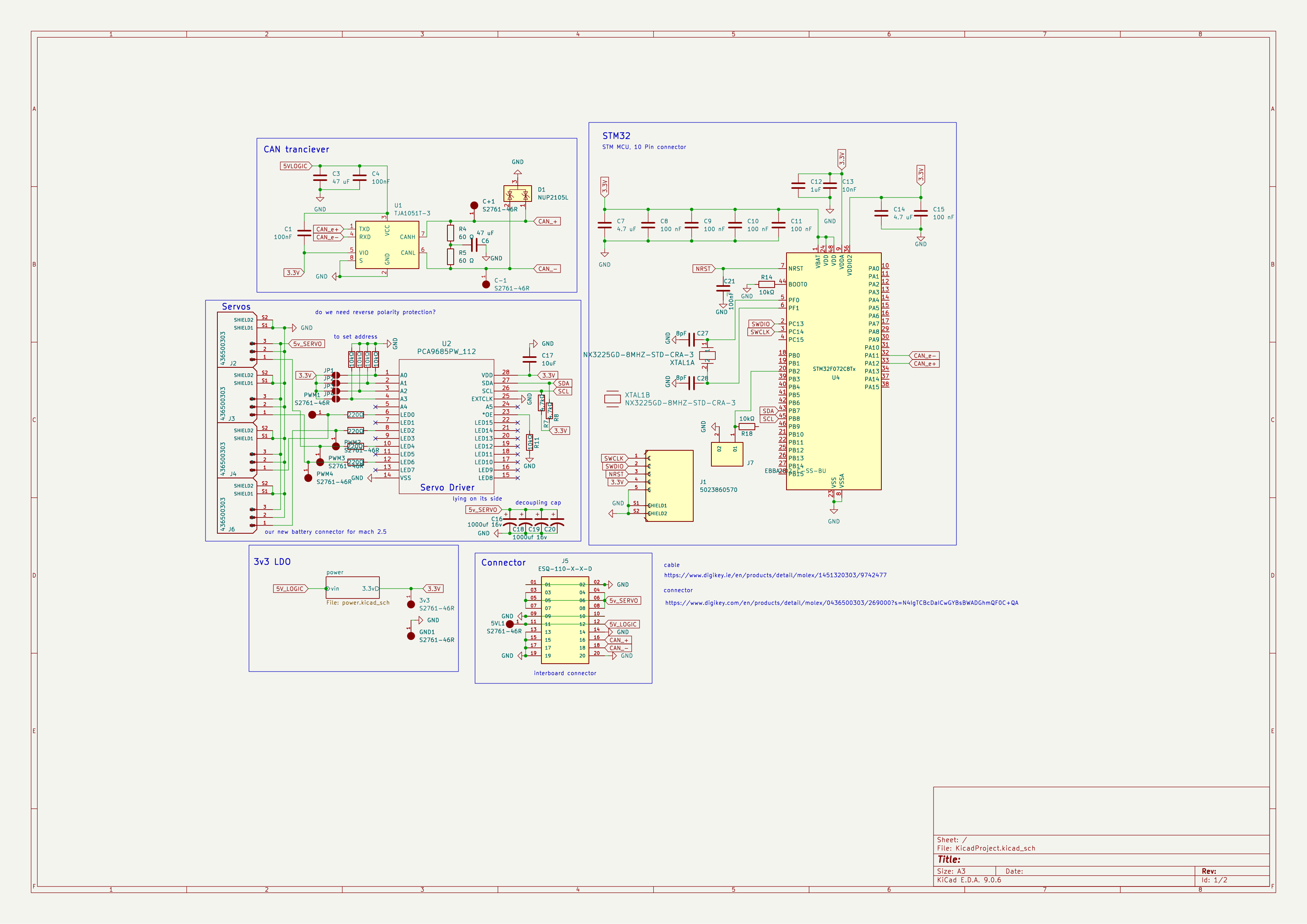
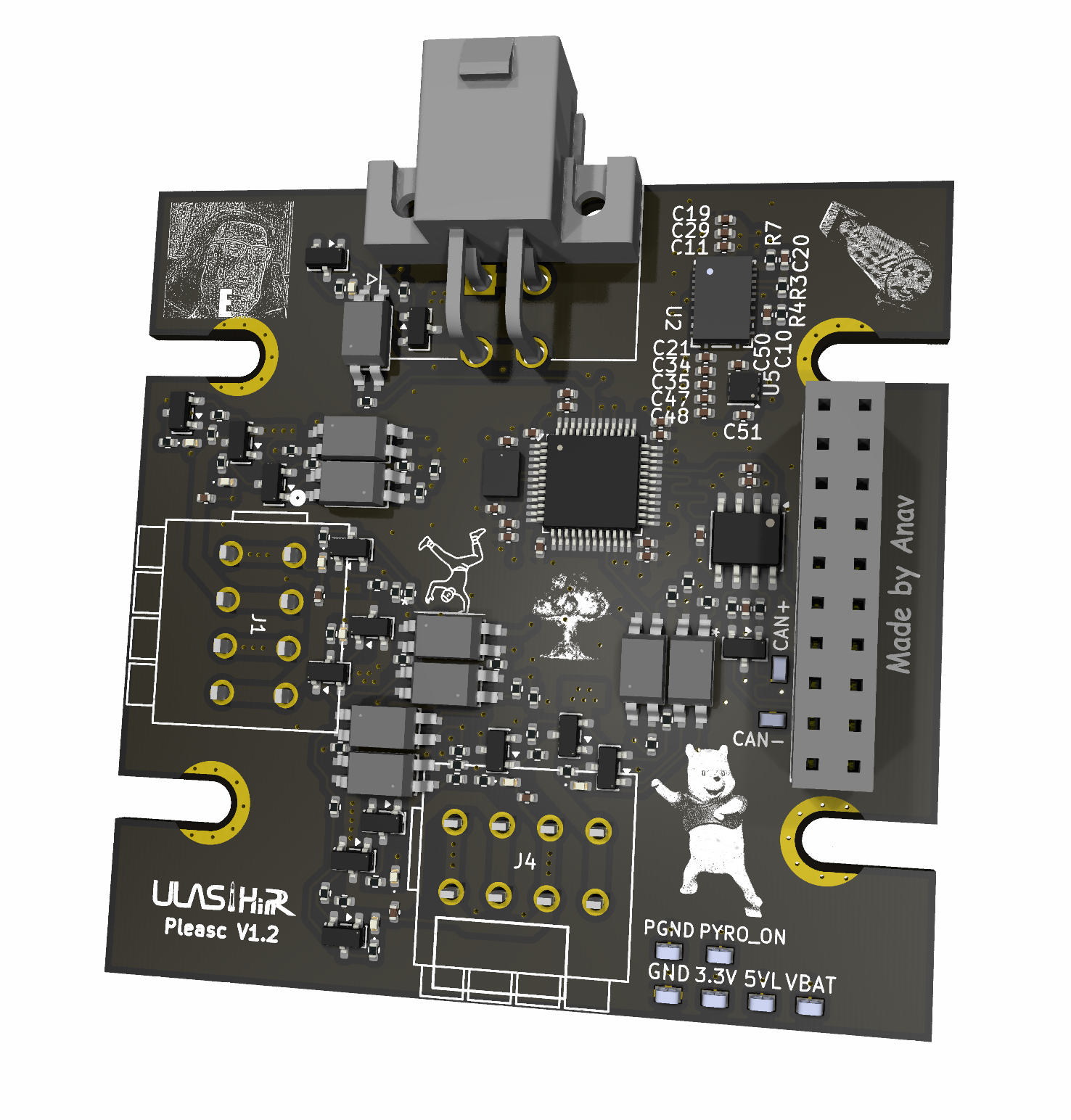
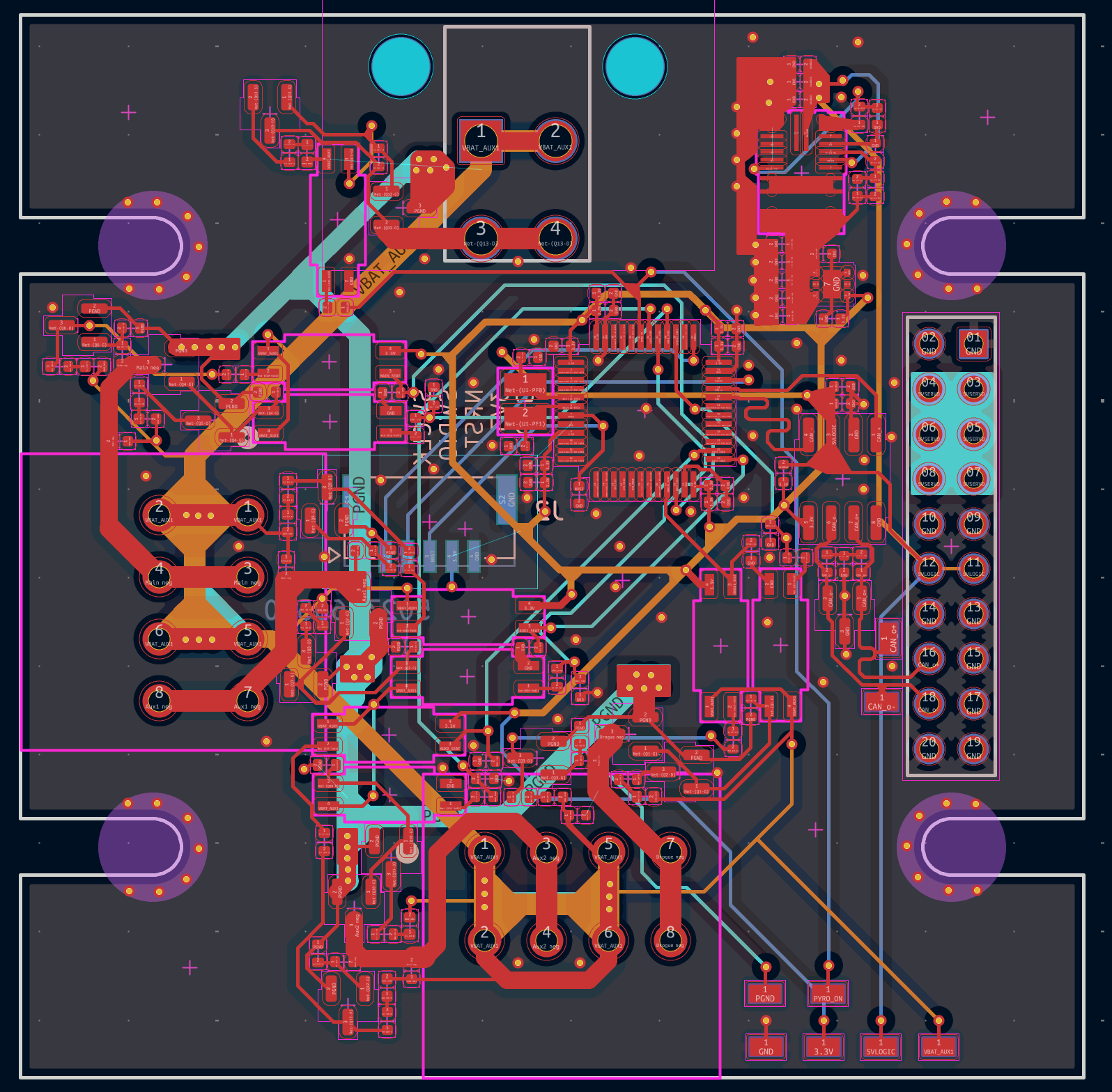
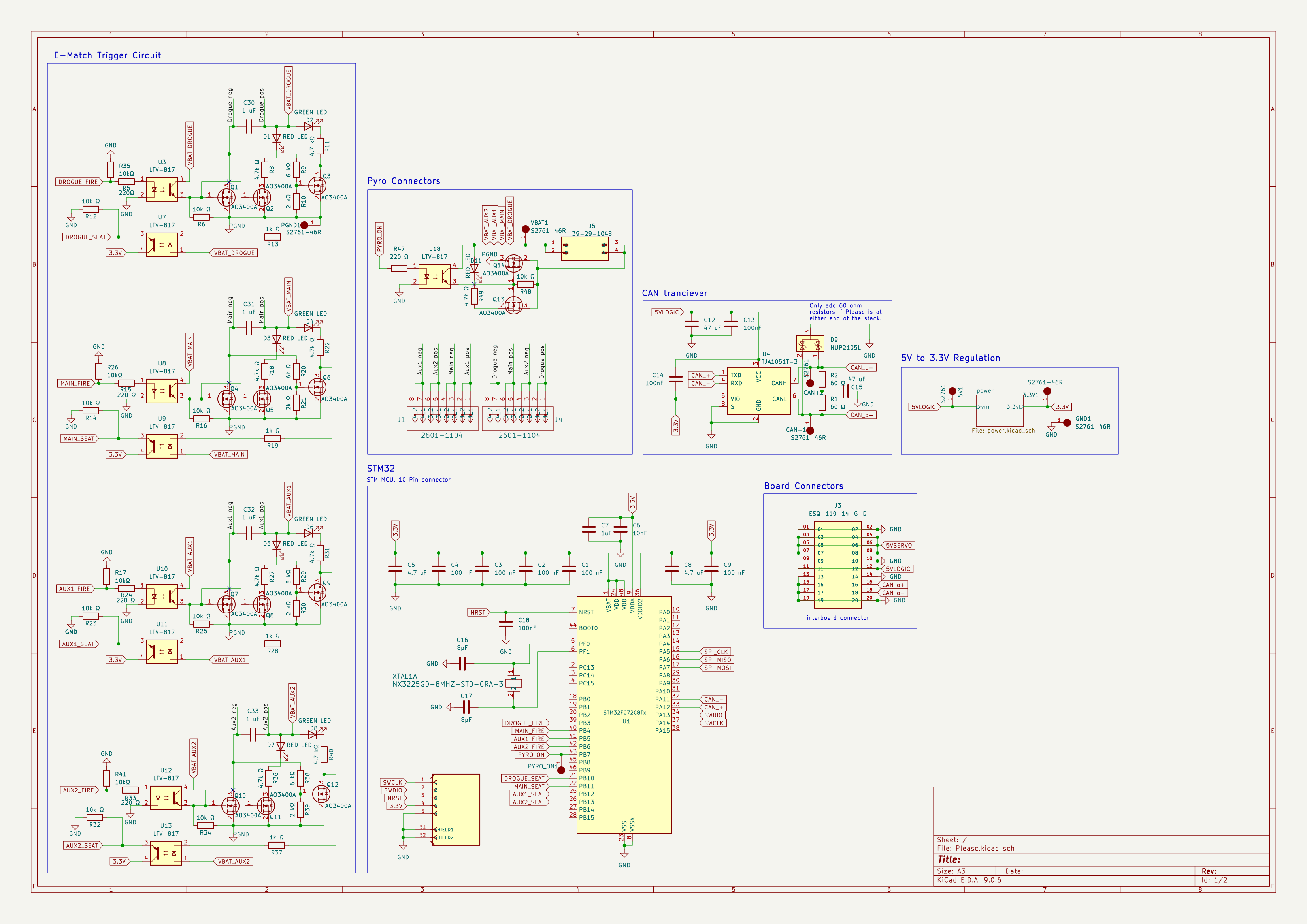
It's split across five four-layer PCBs connected over CAN: Croí handles flight state, sensors, and logging; Teachtaire does LoRa and GNSS; Foinse handles power; Lámh drives the airbrakes; Pléasc handles recovery deployment. A separate groundstation receives telemetry on the ground.
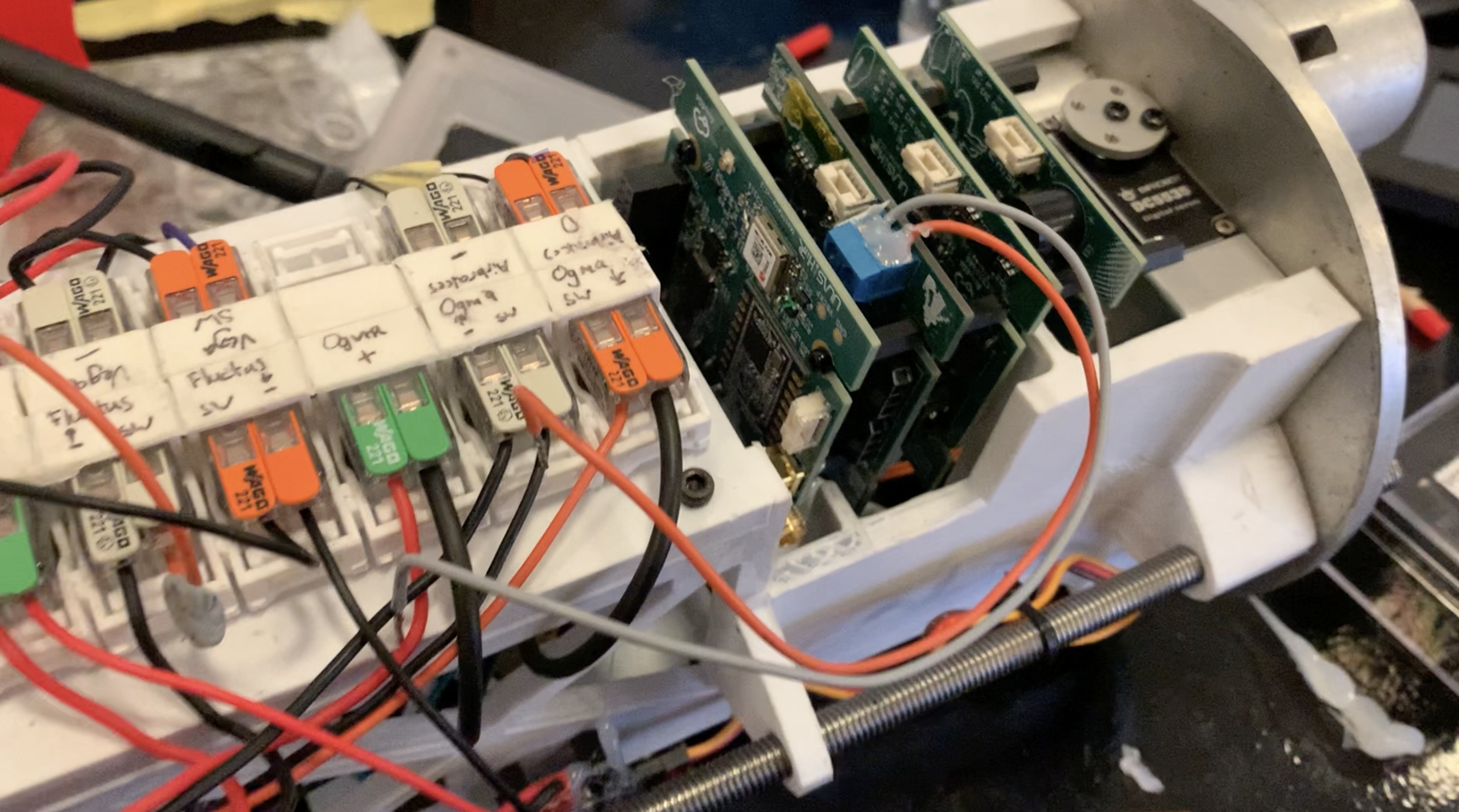
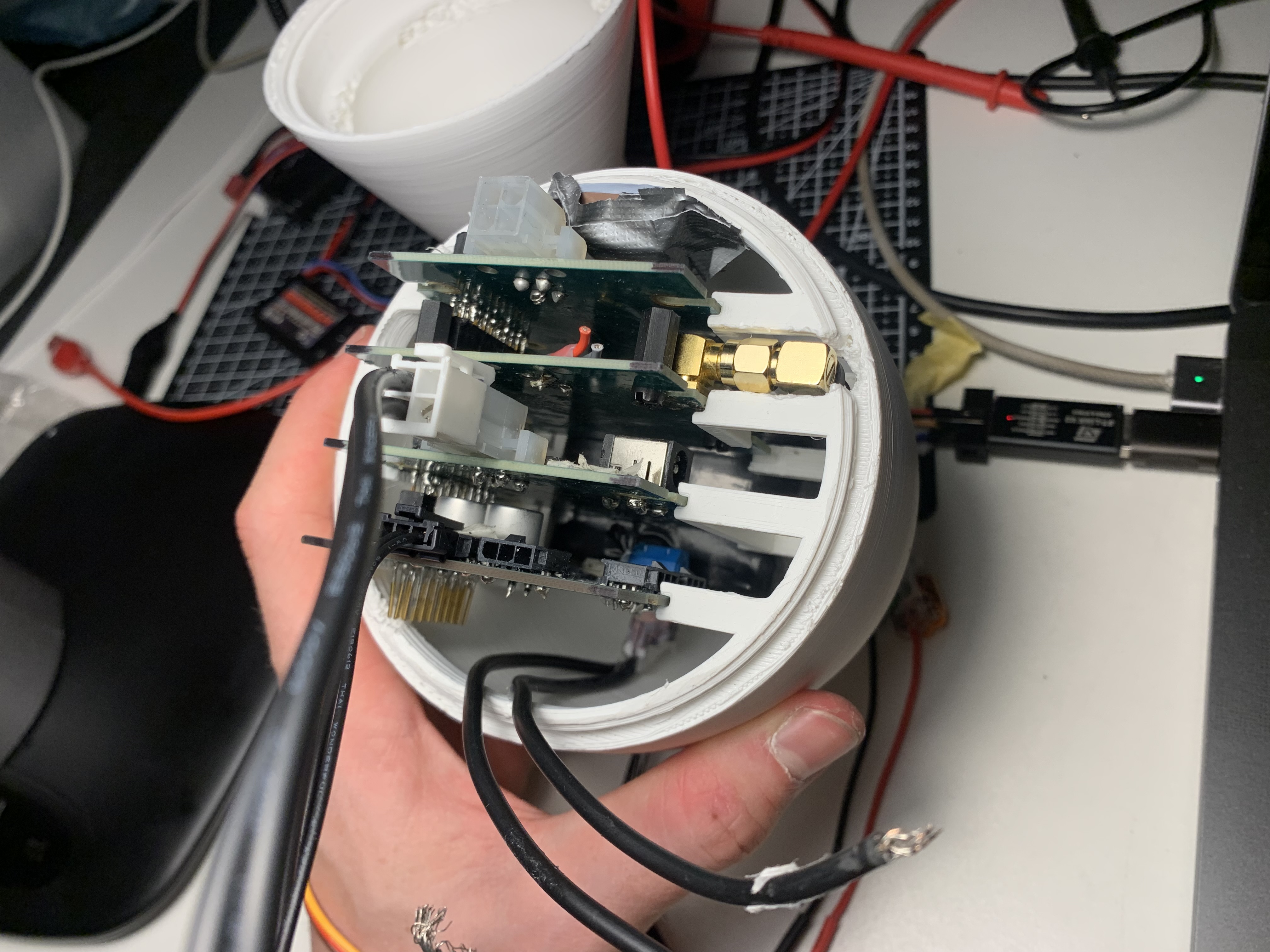
The stack is designed to slide into a rail mount system in the avionics bay.
Progress
I designed the architecture and lead a team of five. I specced the common power, CAN, and board interfaces, ran KiCad onboarding sessions, and held routing sessions where we laid out boards together at a projector. I also handled the BOM, Gerber review, and manufacturing. Ogma's Rev 1 PCBs were generously sponsored through EasyEDA Education, with Domenico (Dom) Qin arranging the support, and manufactured by JLCPCB.
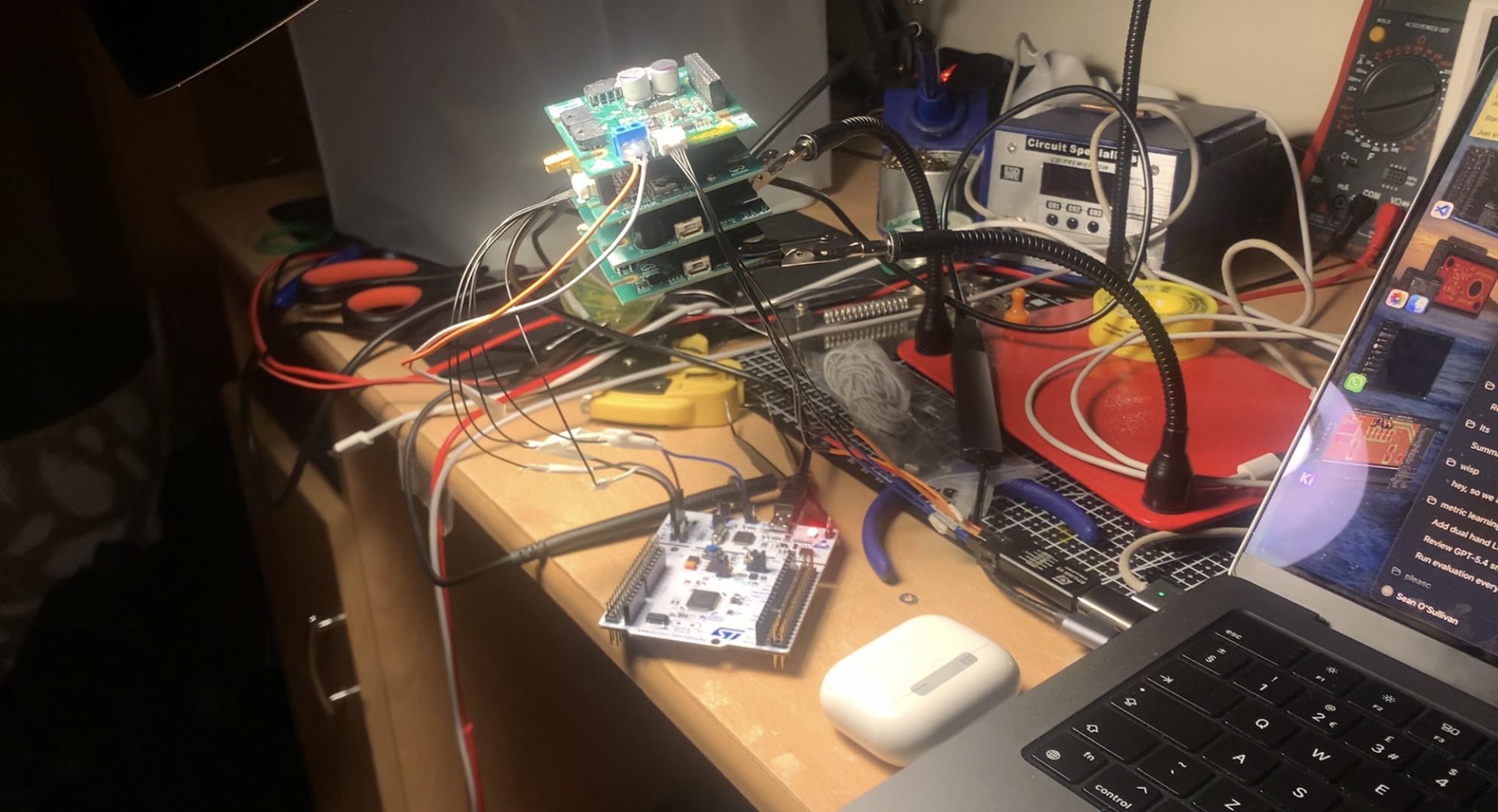
I hand-stencilled the solder paste and placed every component for Rev 1, then spent a long time hand-bodging the assembled boards into working hardware. We currently have two Croí, two Foinse, and two Teachtaire boards complete; one Lámh and one Pléasc are nearly complete, pending the correct optocouplers. It worked, but the time cost was totally unreasonable. Rev 2 will be ordered as fully assembled PCBAs.
Rev 1 worked, but debugging it exposed avoidable problems. Croí needed SWD signal damping, SPI bodges, and a repaired power path. Foinse had a dead battery-ORing path that was hidden by an alternate power input covering for it. On Lámh, a broken RTOS tick integration showed that a servo can report successful I2C writes while still receiving no power or PWM at all downstream. On Teachtaire, the fitted radio module, UART handling, and packet format had all drifted from the docs.
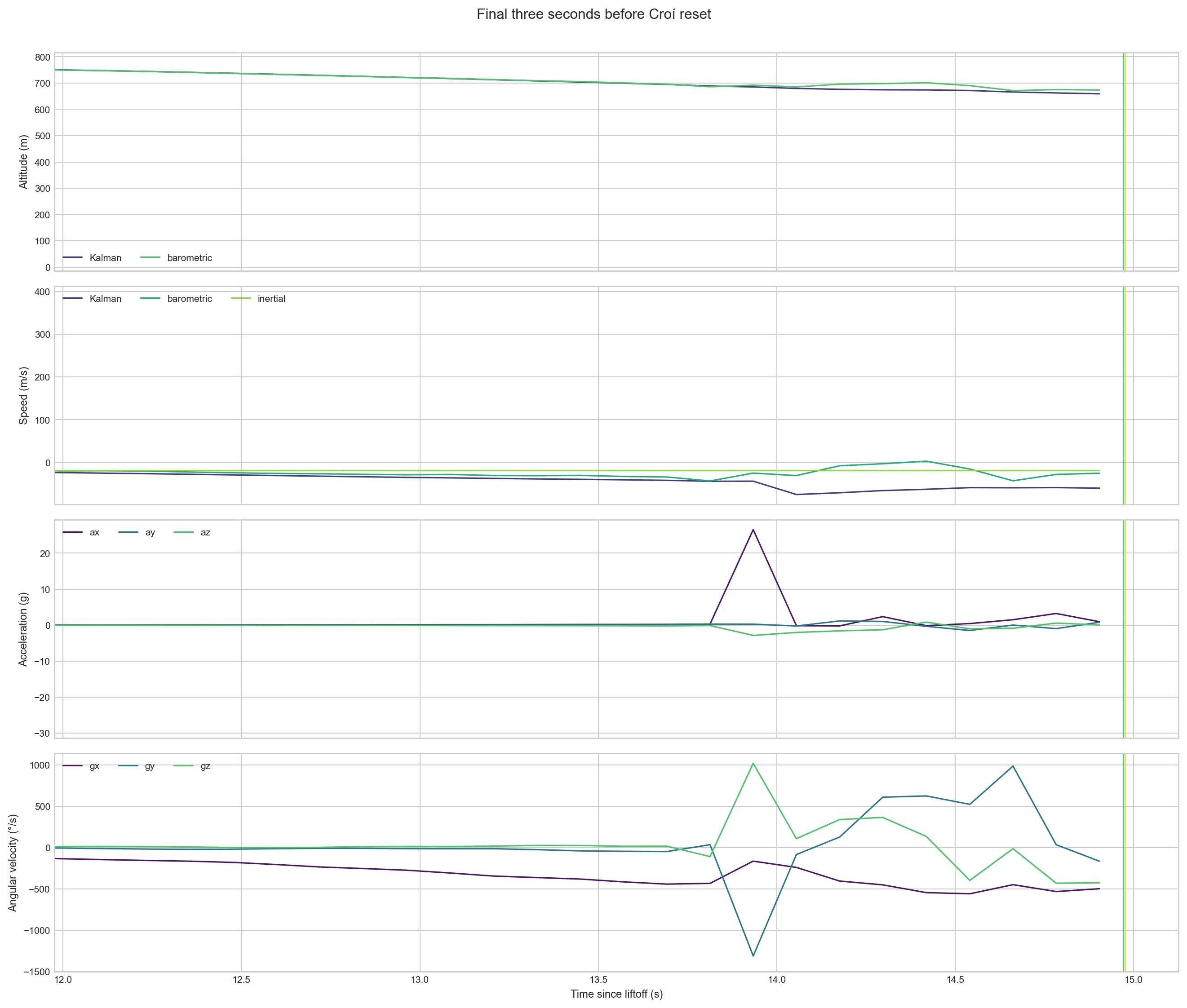
We wrote bare peripheral probes and a Python console that identifies, flashes, and diagnoses each board over SWD. Croí can stream live status over SRAM, retrieve append-only flash logs, and plot them locally. The stack now shares pinned CAN contracts, and actuator and recovery commands use explicit leases and defined safe states.
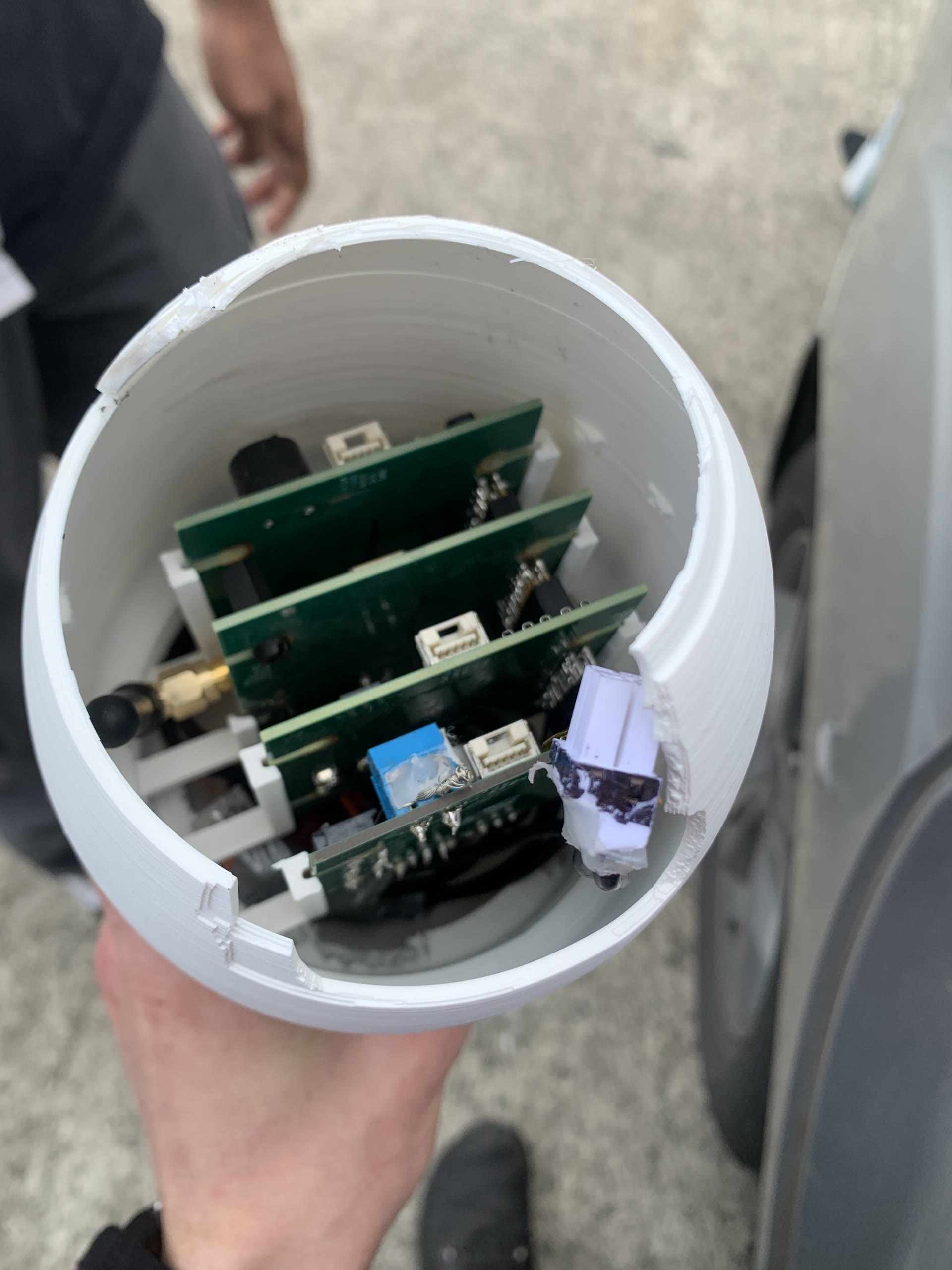
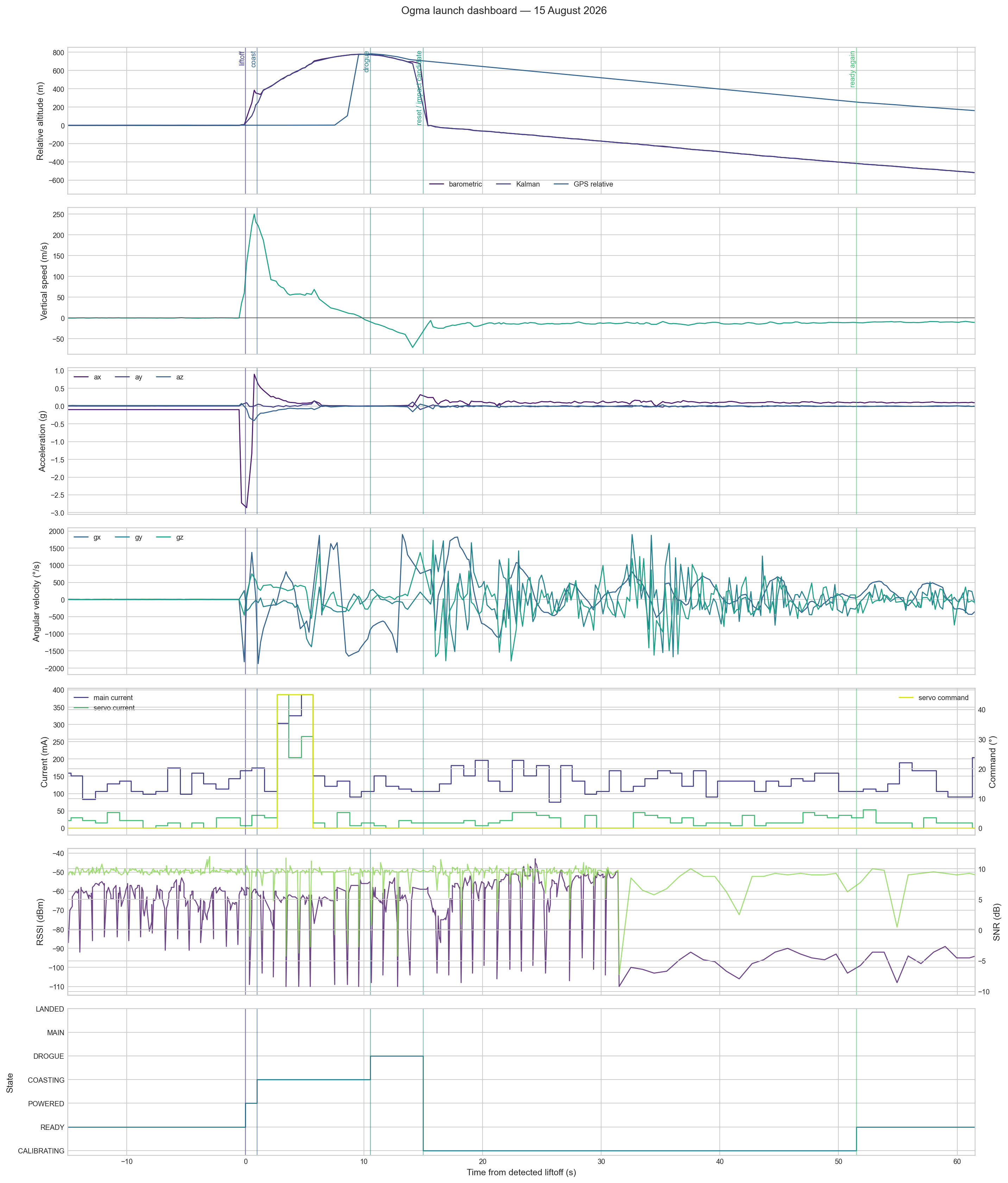
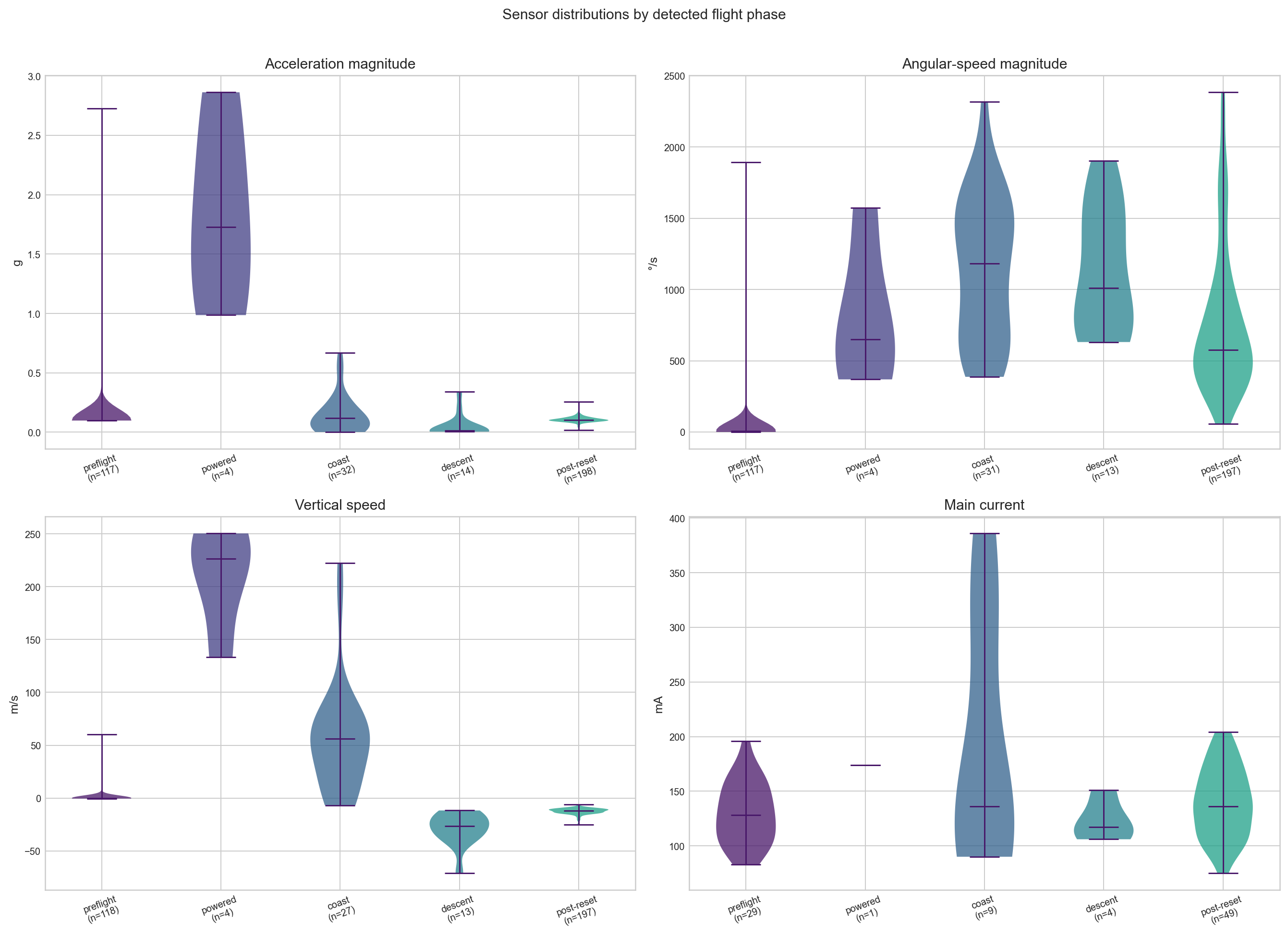
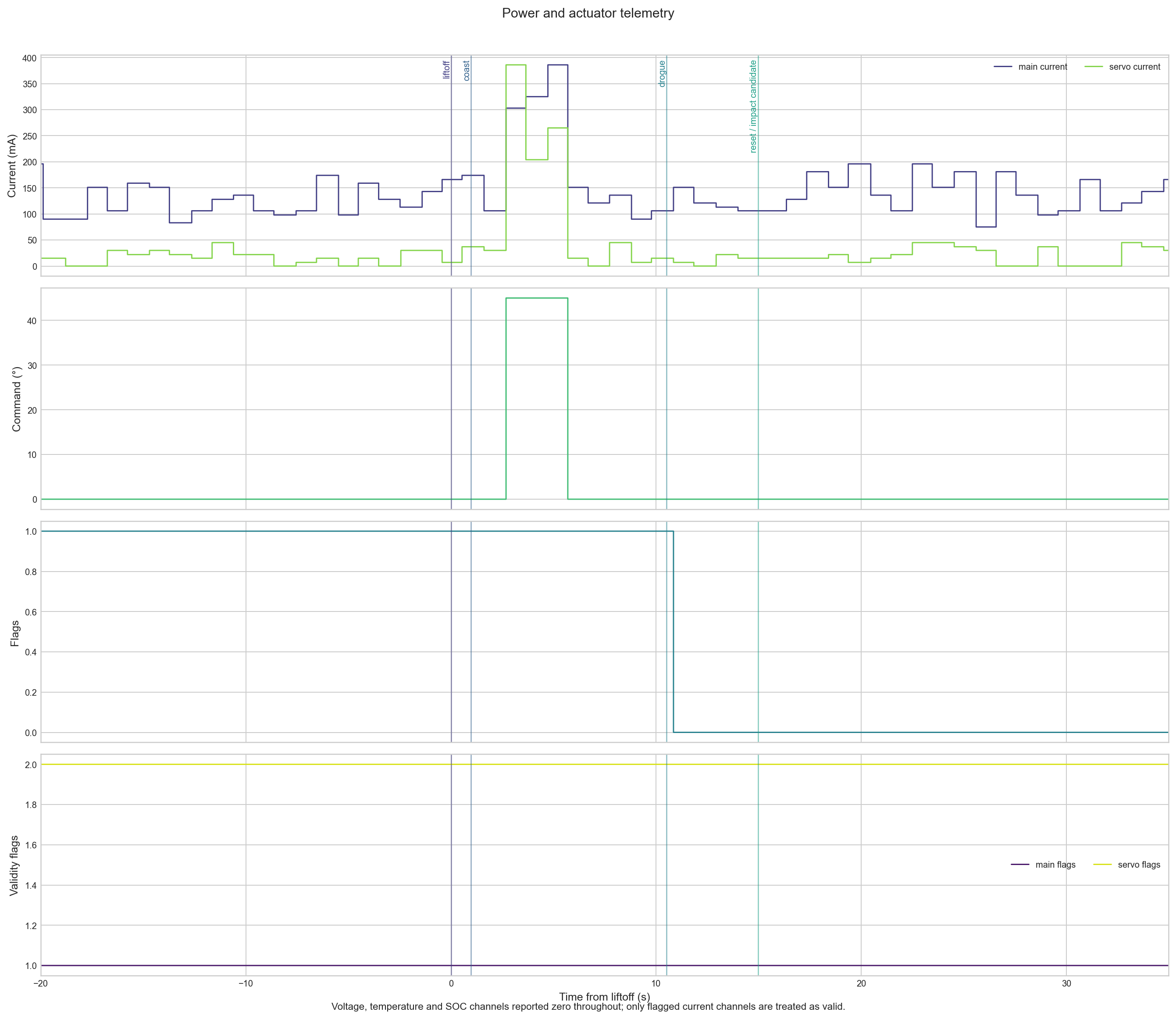
On 15 August 2026, Croí, Foinse, Lámh and Teachtaire flew together in an L1 rocket, with Mu beside them as a separate payload. The stack returned live groundstation telemetry and a valid onboard flight log. The flight record and full report are below.
Documentation
Repos: Croí, Teachtaire, Foinse, Lámh, Pléasc, Groundstation.
Reddit reviews: initial review, Rev 1.2 final review.