Description
VerifyMe asks whether a new piece of writing fits with samples already known to be from one person.
I started it in 2023 as a universal AI-text detector. GPT-4 made the weakness in that idea obvious before I got far. A detector built around one model's fingerprints could expire with the next release. An English teacher gave me a better question: teachers already notice when a submission does not sound like the student. I could compare the writing with the person without first having to recognise every machine that might have produced it.
VerifyMe grew from that question: given several known samples from one writer, does a new sample belong with them?
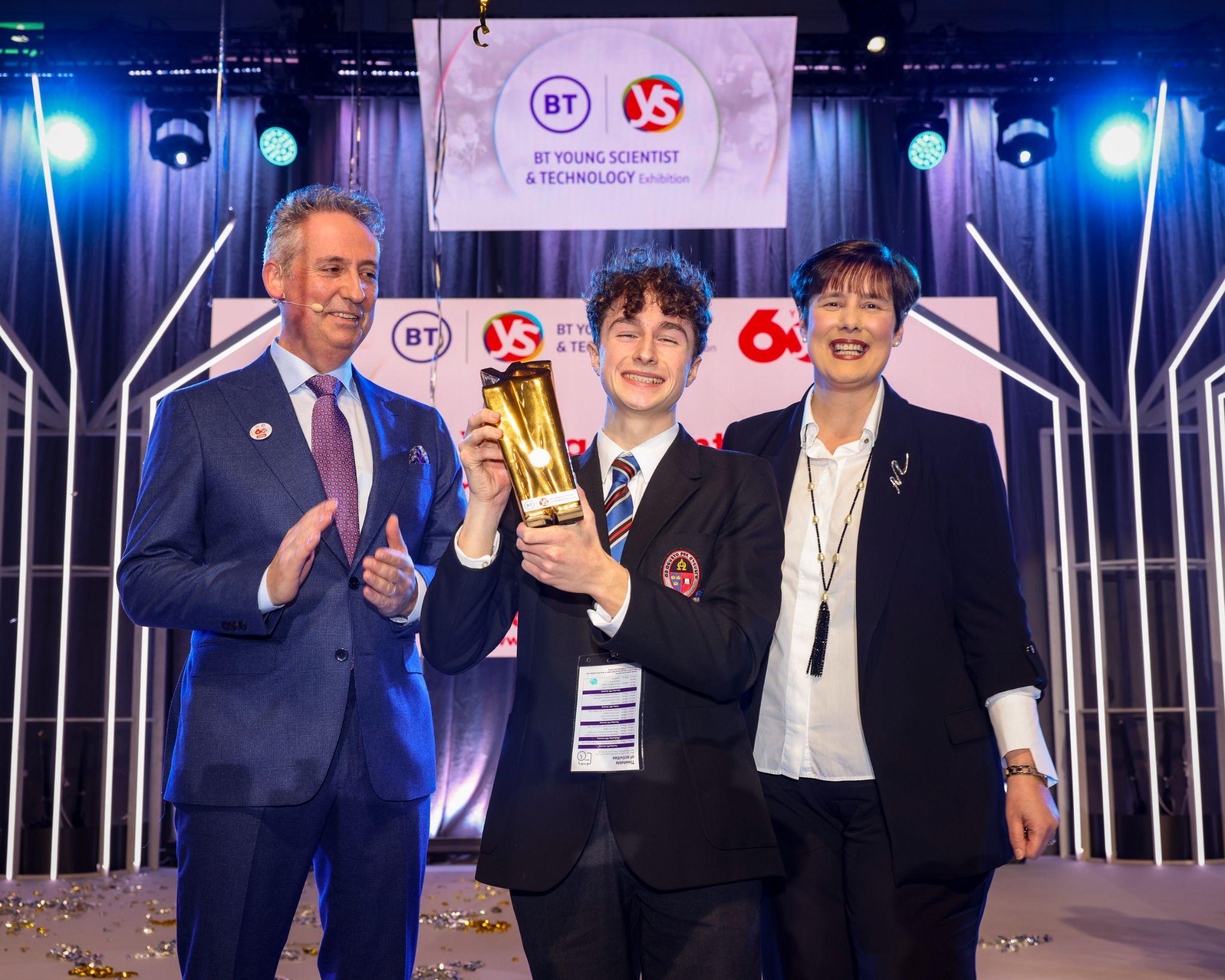
V1 · BT Young Scientist 2024
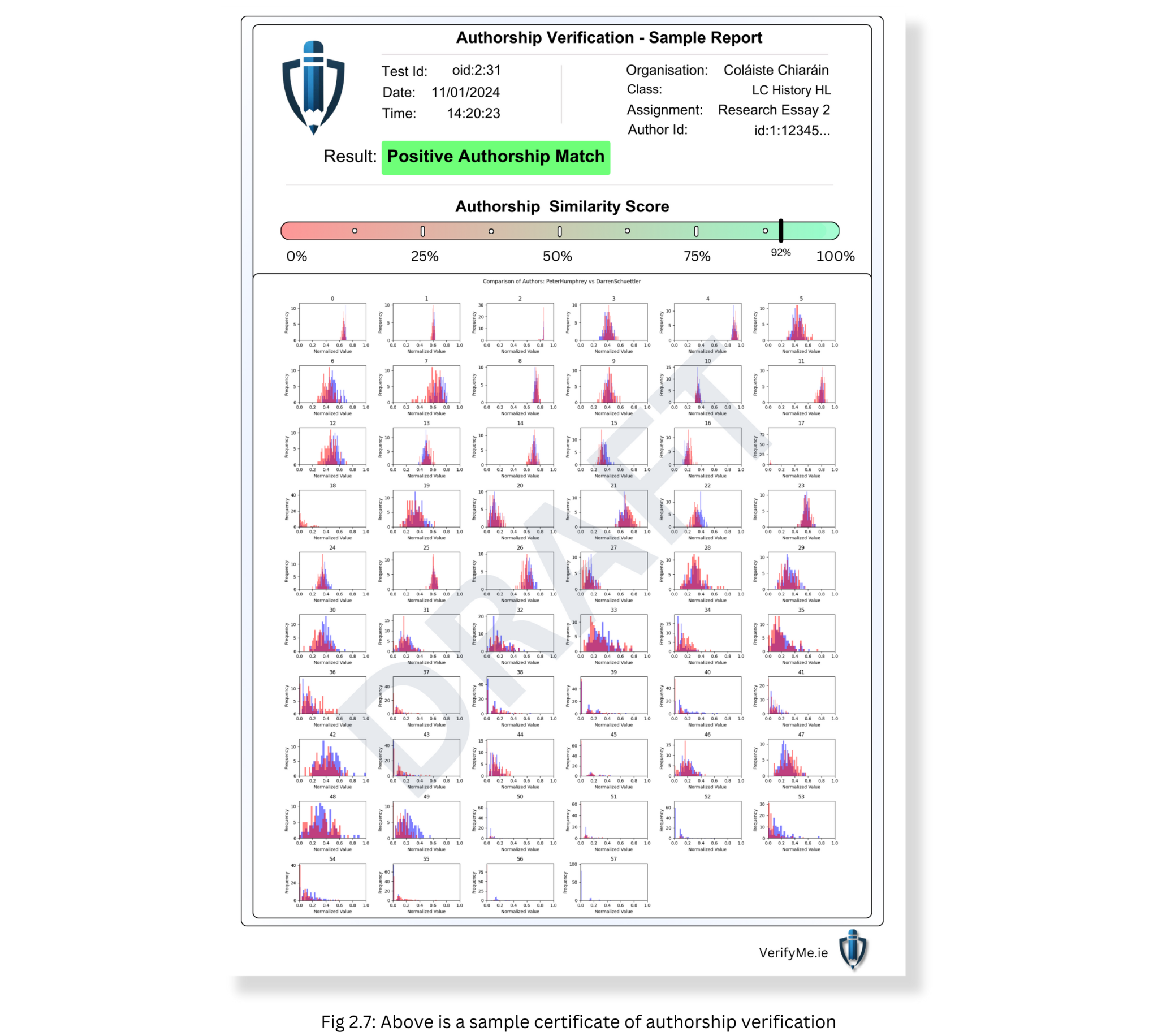
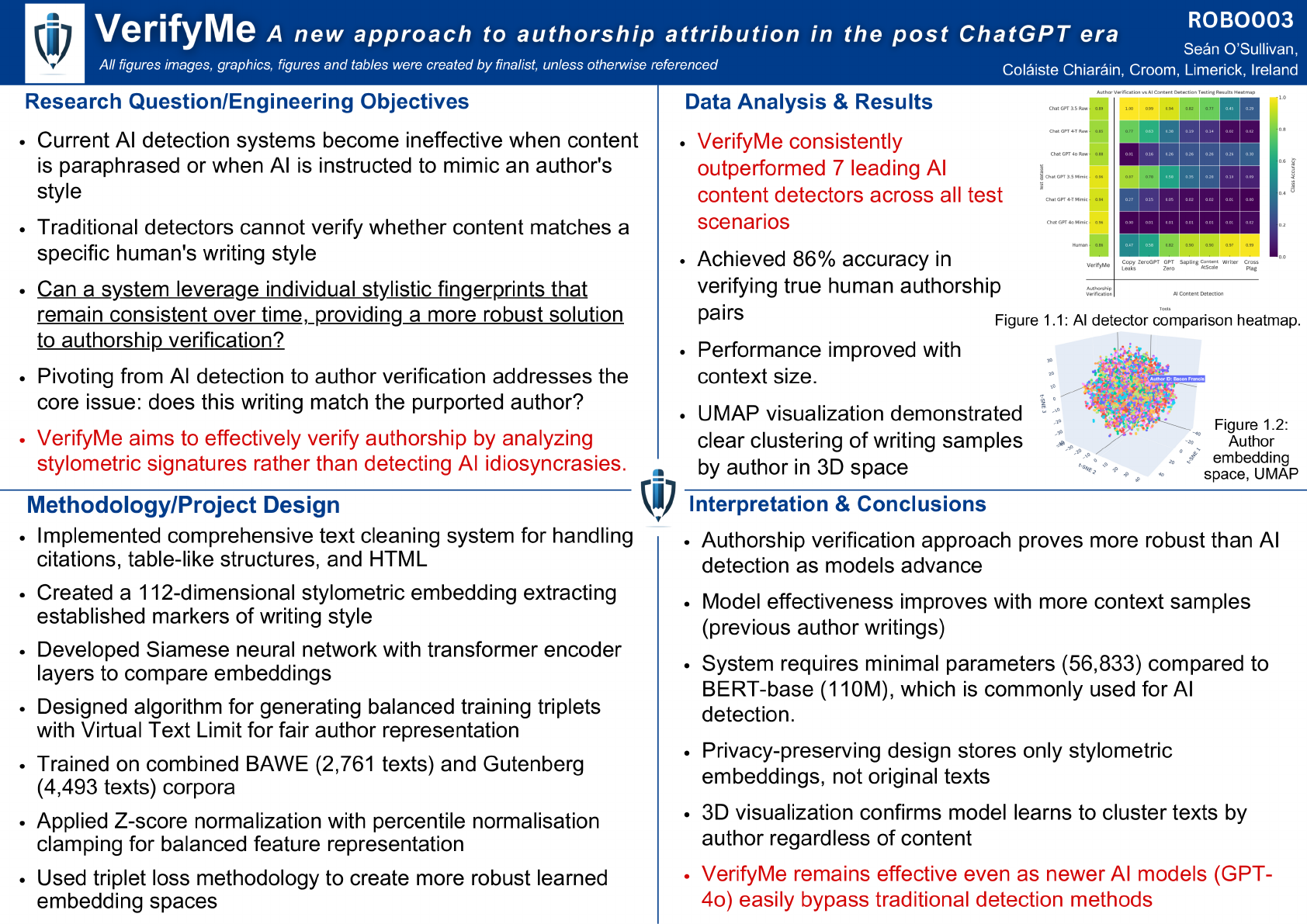
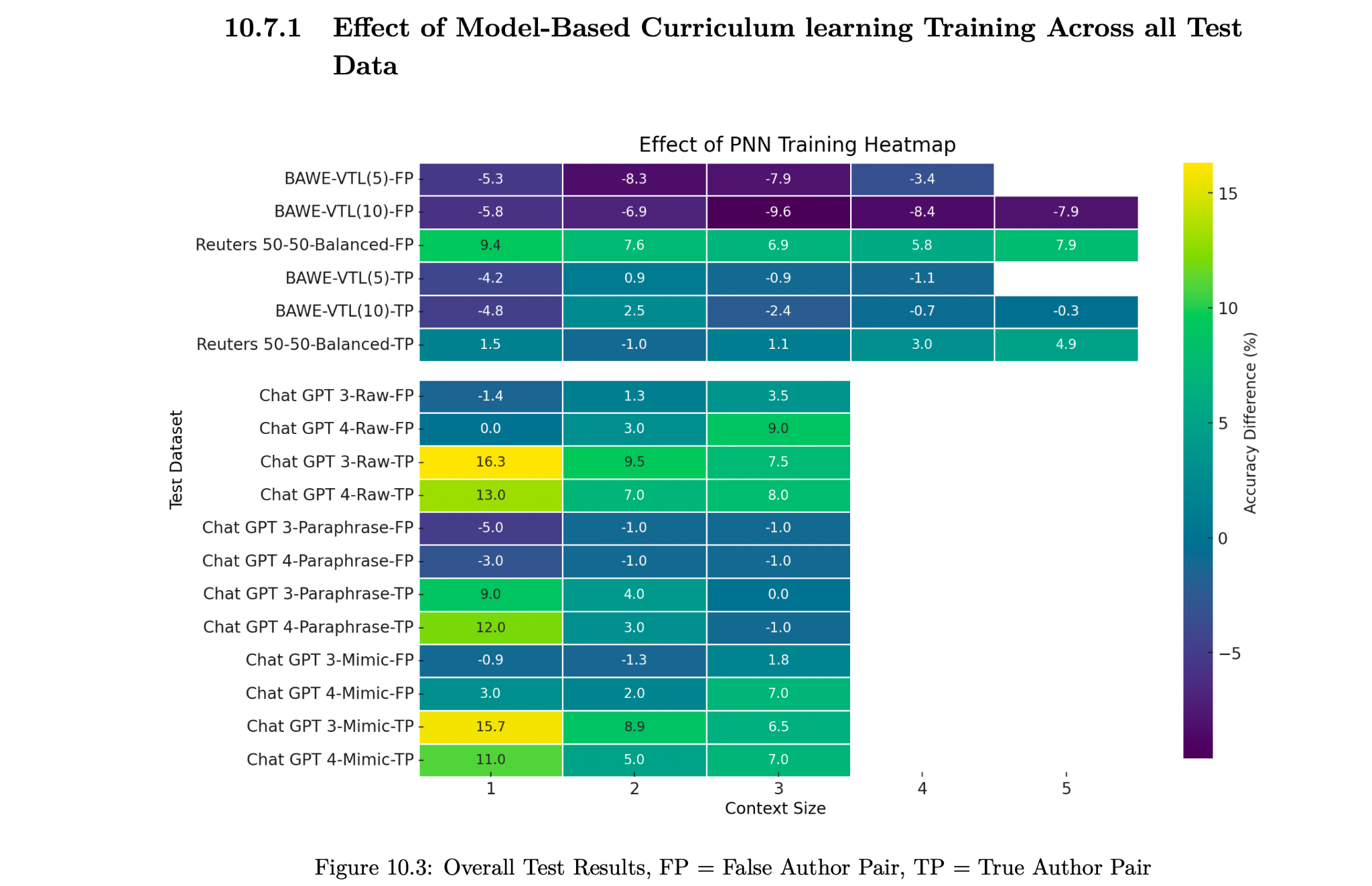
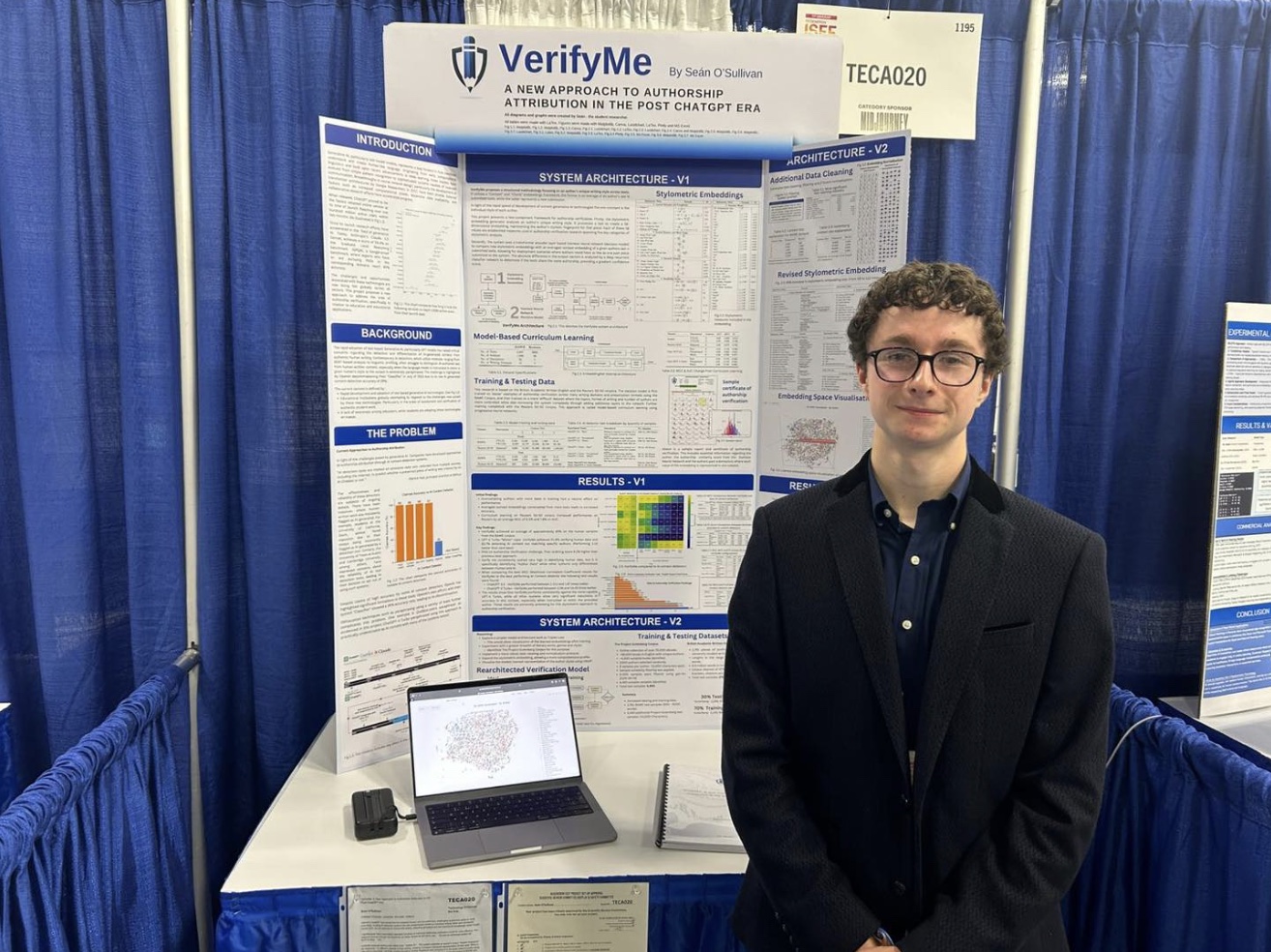
V1 reduced each text to 58 measurements of vocabulary, punctuation, sentence structure and other writing habits, then compared pairs with a transformer-based model. The 98-page report recorded about 85% accuracy on BAWE and 75% on Reuters50-50. In a separate experiment, it accepted 91.6% of the target writer's real work and rejected 83.7% of GPT-4 attempts to imitate them.
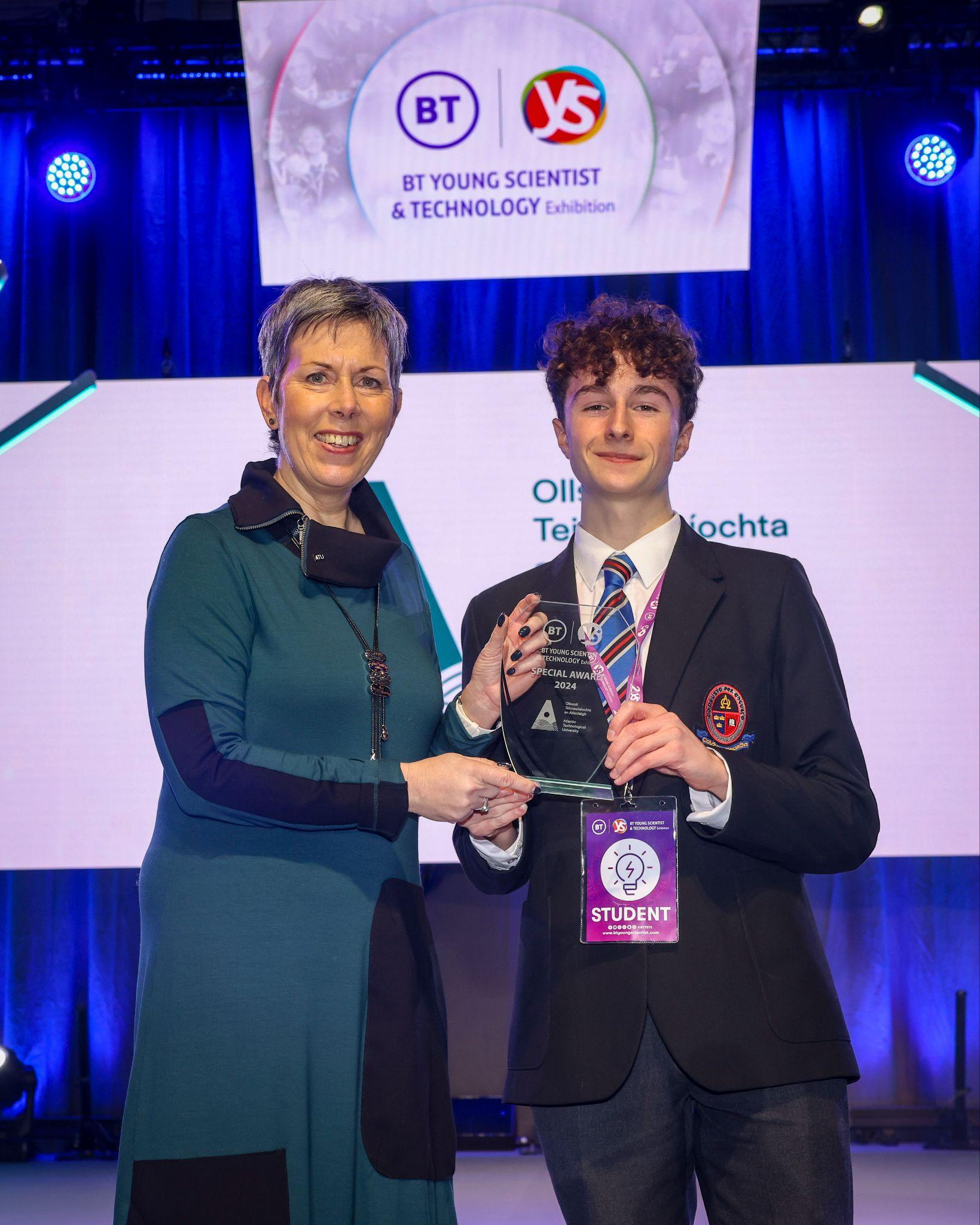
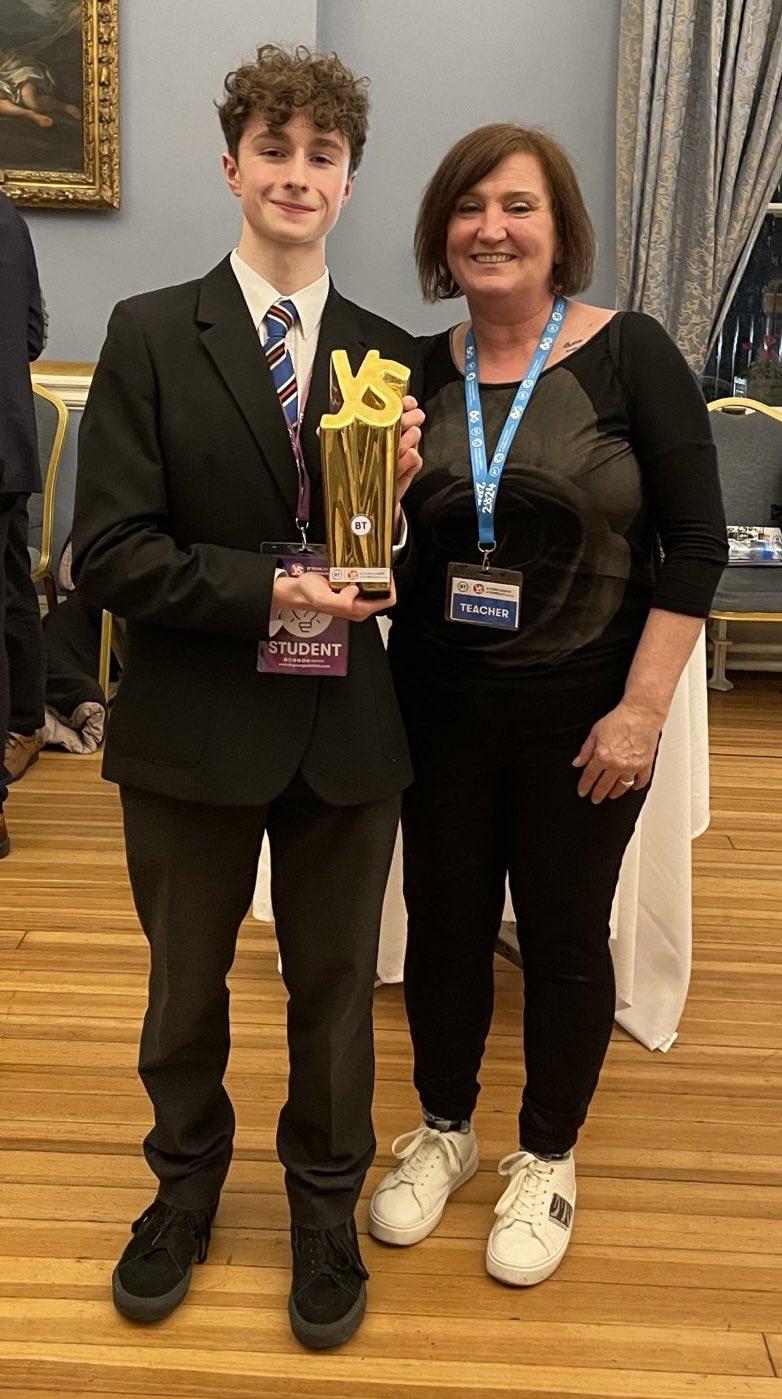
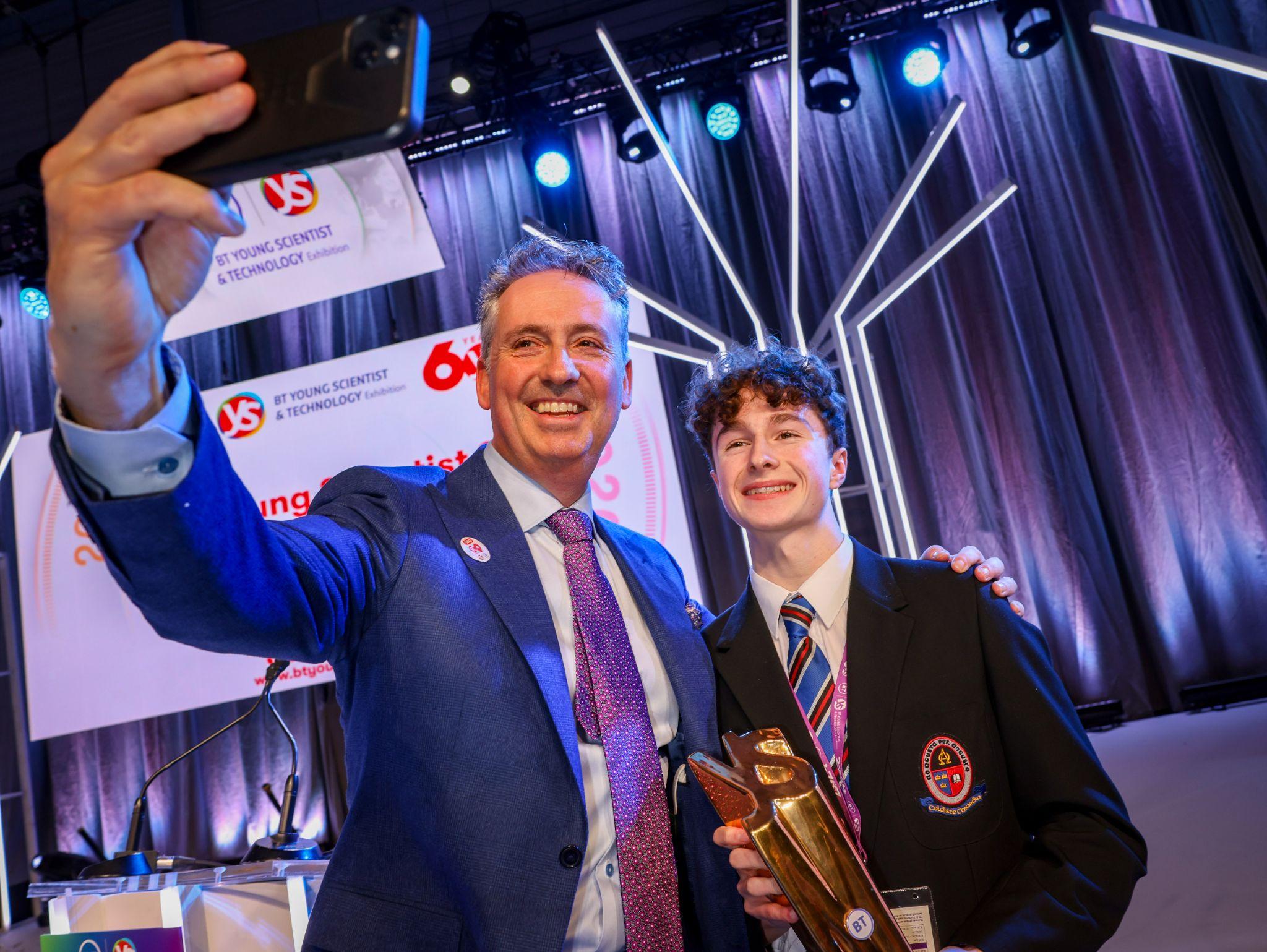
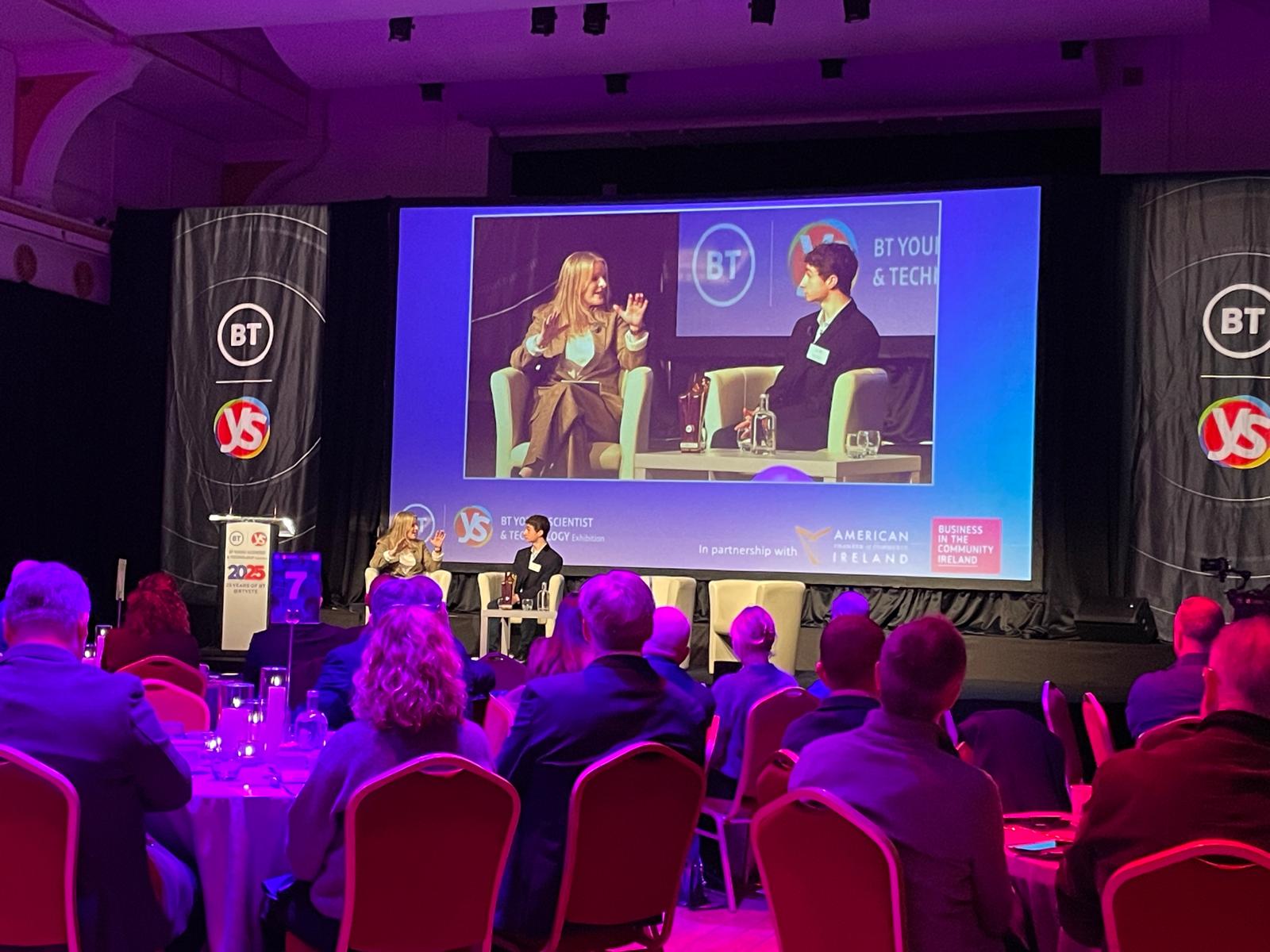
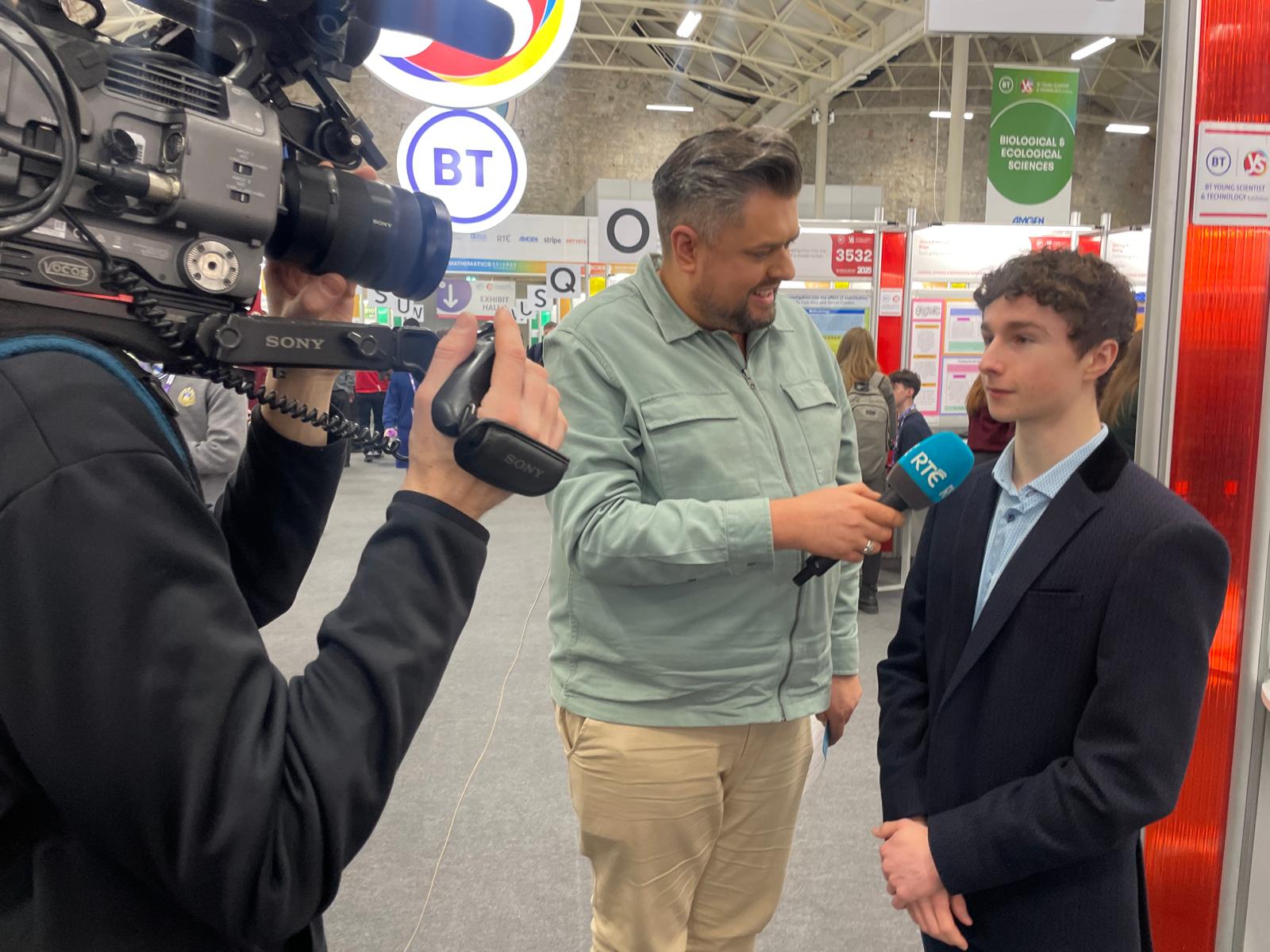
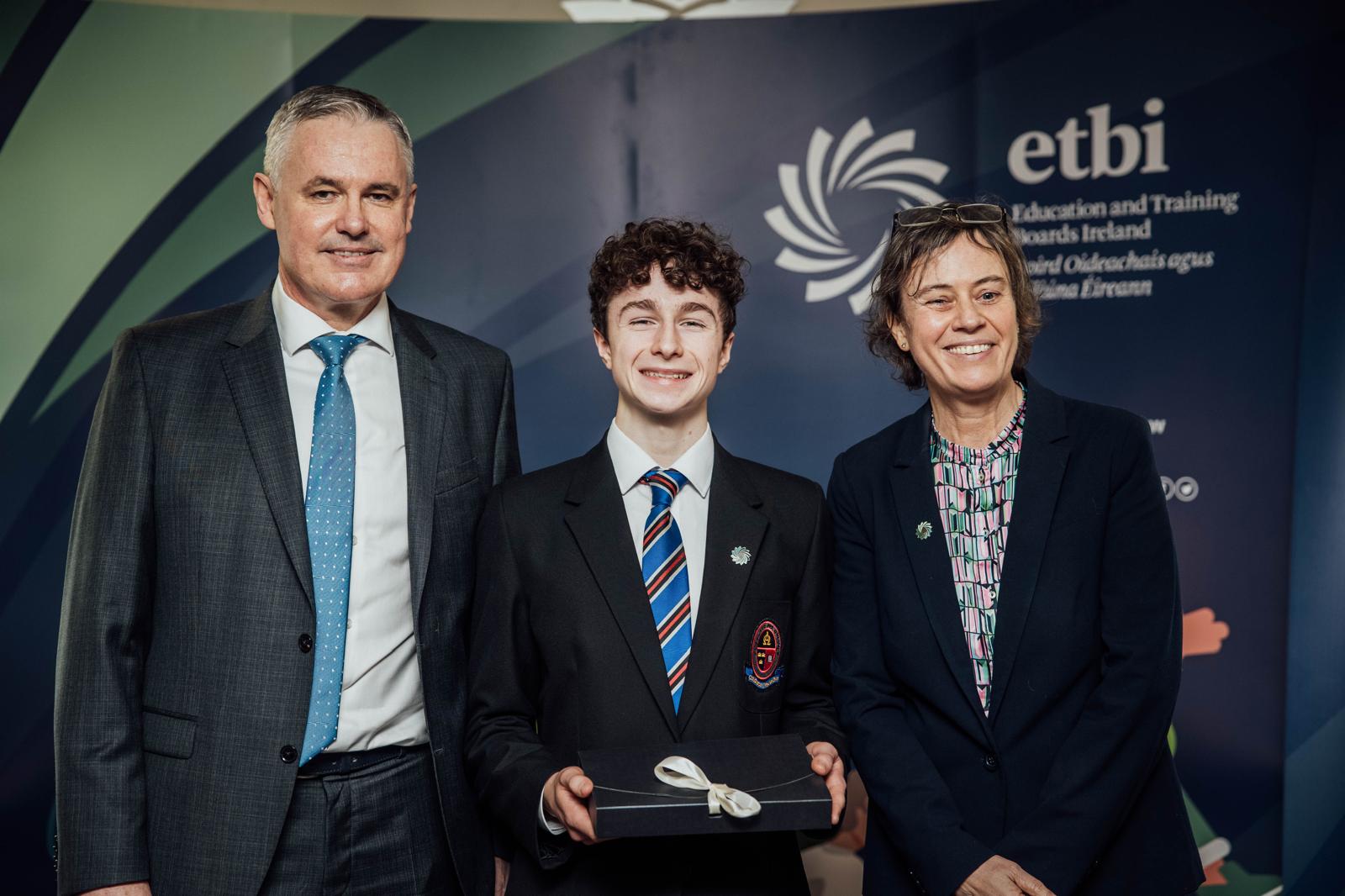
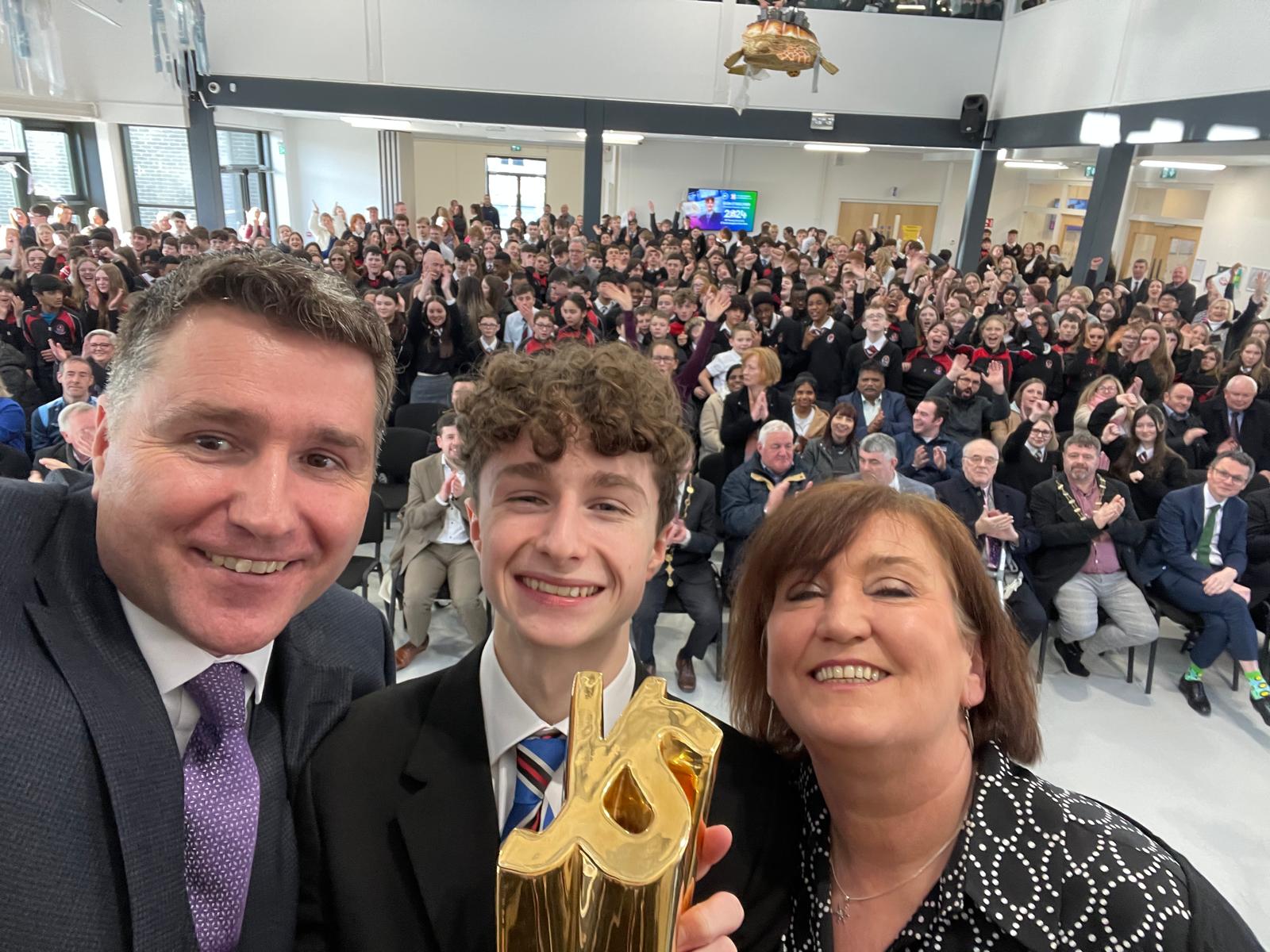
V1 won the 2024 BT Young Scientist & Technologist of the Year award.
I later found a problem in the deployment code's pair classifier. Each answer sat inside a batch of 1,024: one real comparison and 1,023 unrelated fillers. Part of the BatchNorm path was still behaving in training mode, so those fillers could change the result. I removed the classifier from V2.
V2 · EUCYS 2024 and ISEF 2025
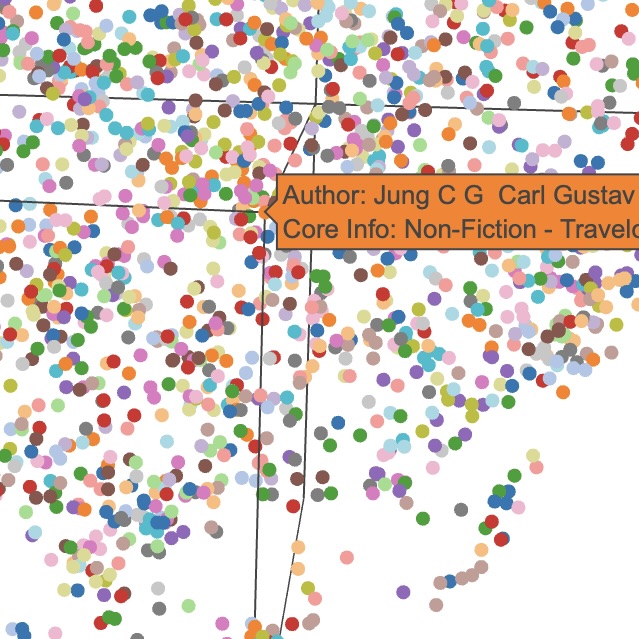
I rebuilt the project for the European Union Contest for Young Scientists. V2 used 112 features and new preprocessing, removed the pair classifier, and learned a 256-dimensional embedding with a twin transformer and triplet loss. A match was now measured by the distance between two samples in that space. One archived V2 view shows how Gutenberg authors clustered in the learned space.
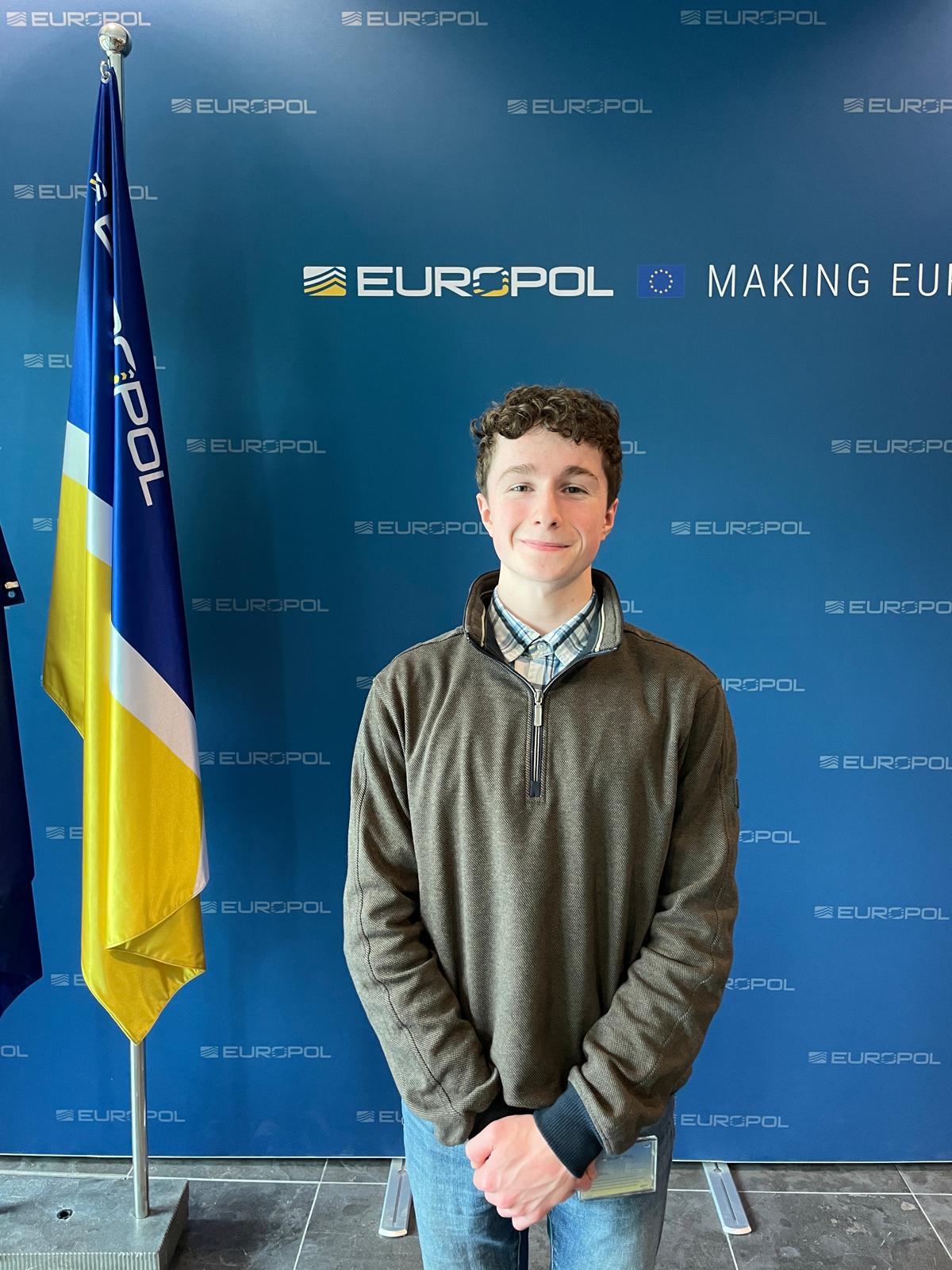
The V2 report gave BAWE an AUC of 0.950 and Project Gutenberg 0.9715. VerifyMe took Second Prize at EUCYS 2024, together with the EUCYS prize to attend Regeneron ISEF. At ISEF 2025, it received the Fourth Award in Technology Enhances the Arts and an HP Second Award. Together they were worth $3,000.
Each V2 triplet used a randomly chosen sample from another author. Random samples were enough to learn broad separation between writers, but the training never went looking for the nearest impostors in the embedding space. Once most random writers became easy to tell apart, the difficult cases contributed very little to training. Hard-negative mining came next.
V3 and V4 · Rebuilding the learning system
V3 removed the hand-built measurements entirely. The new character-level sequence model learned directly from raw text. During the rebuild, I found a masking bug that had admitted self-pairs to the negative set. I fixed the mask, then spent several runs finding out what the objective was actually rewarding.
By V4, the hard-negative mining was finally doing what I intended. The system periodically rebuilt a FAISS nearest-neighbour graph over author centroids and used the nearest writers in embedding space to assemble each batch. This kept training focused on the writers the model still confused, instead of filling batches with random authors it could already separate. Within those batches, Run 9 applied canonical relative pair mining, removed pairs the model had already solved, and normalised the positive and negative sides separately. BAWE and Gutenberg both improved over the earlier runs, but transfer between the domains stayed weak.
I then tried the same learning method on Market-1501, a person re-identification dataset. Across 15 jobs, the canonical mining transferred, while VerifyMe's prototype/query episode structure did not carry over as well: training on all sample pairs performed better. I folded that result into a modality-agnostic MetricEngine, with authorship verification as one application.
Public life
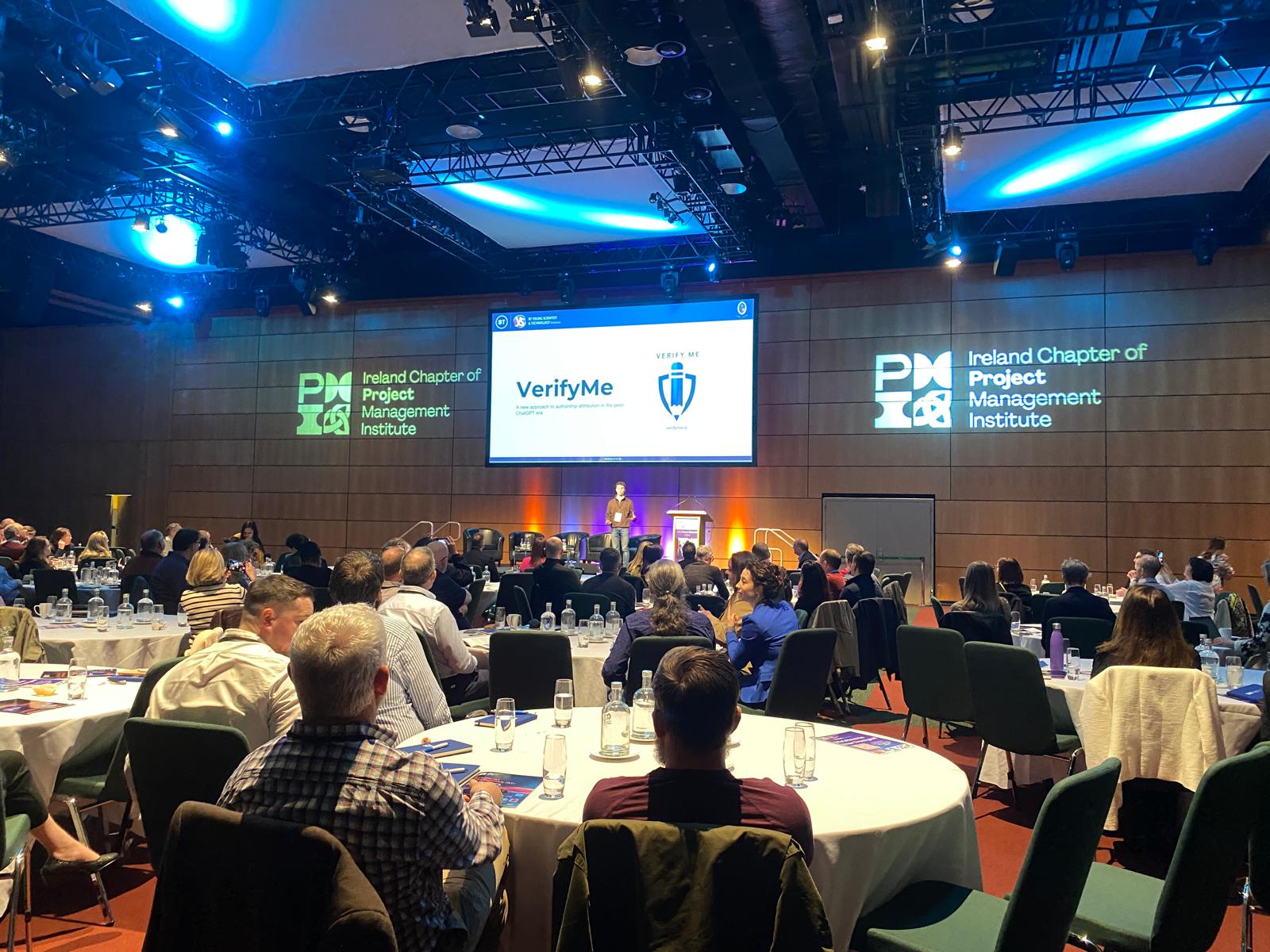
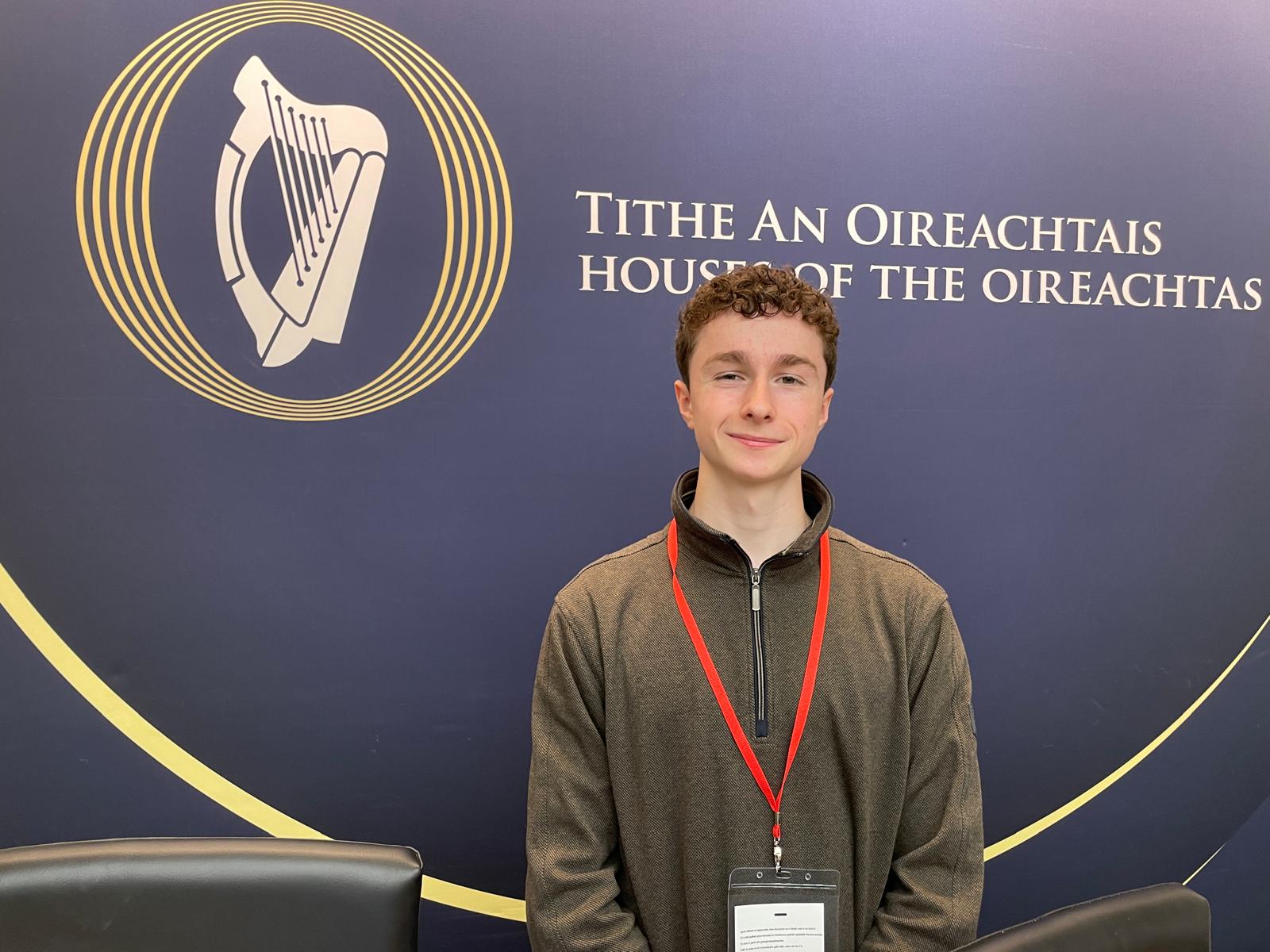
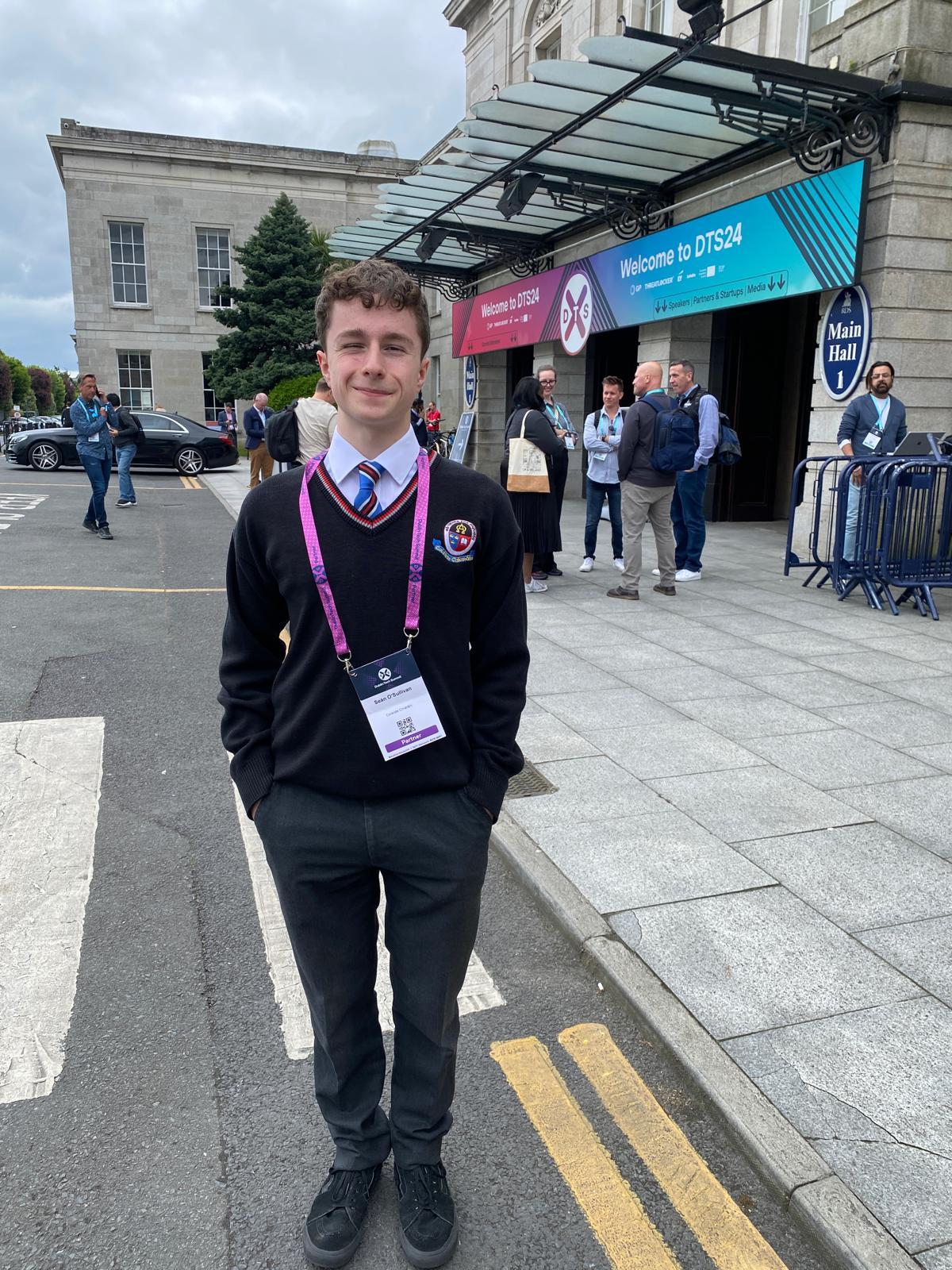
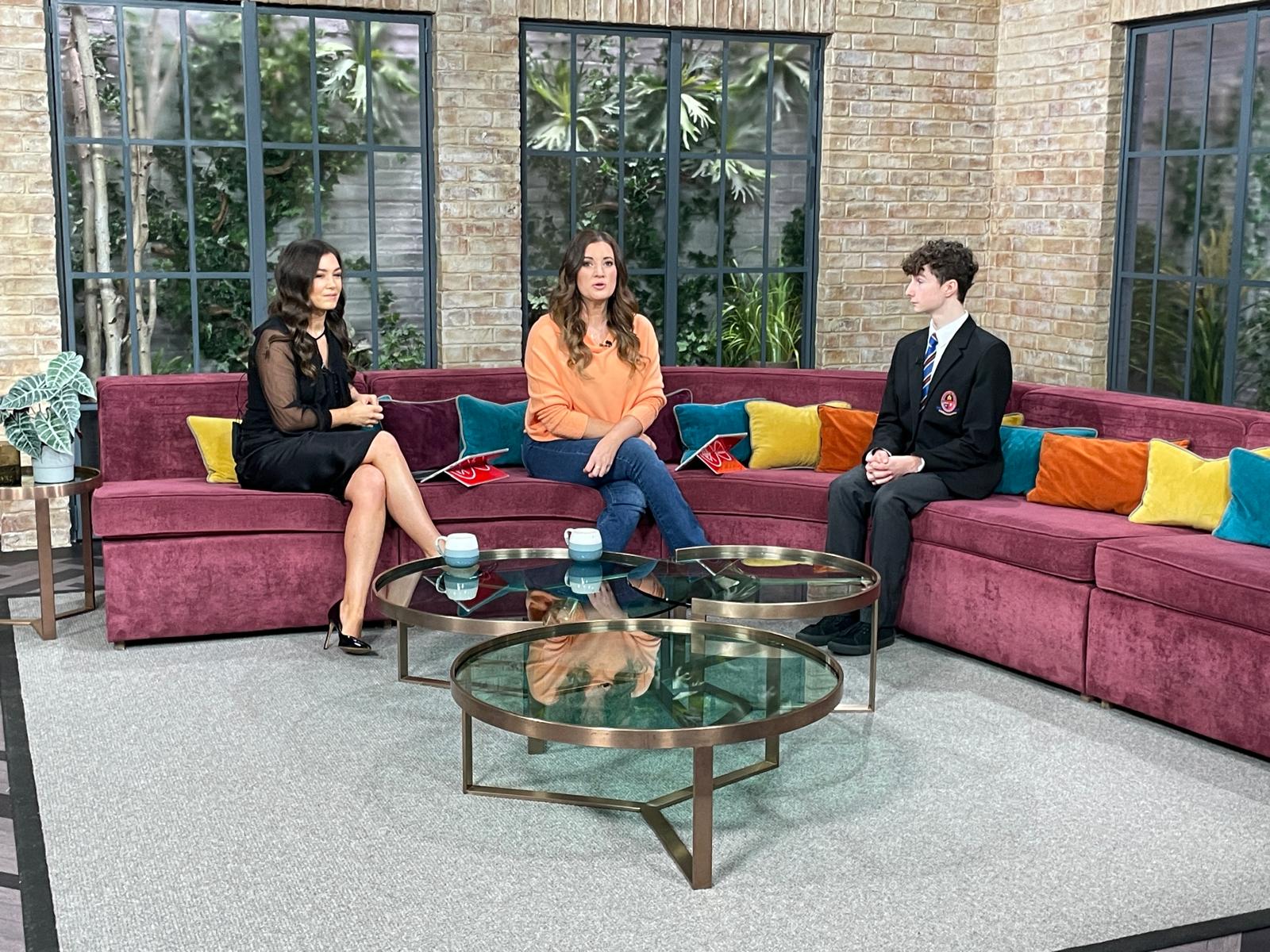
VerifyMe took me much further into public life than I expected. At the Project Management Institute Ireland National Conference, I presented “VerifyMe and the State of Authorship Verification”. I gave evidence on AI in post-primary education to the Oireachtas education committee. At Farmleigh, I took part in the working-group process for the Department's Building Ireland's Scientific Future summit and spoke about matching talented students with real work experience. The Department also maintains a gov.ie biography.
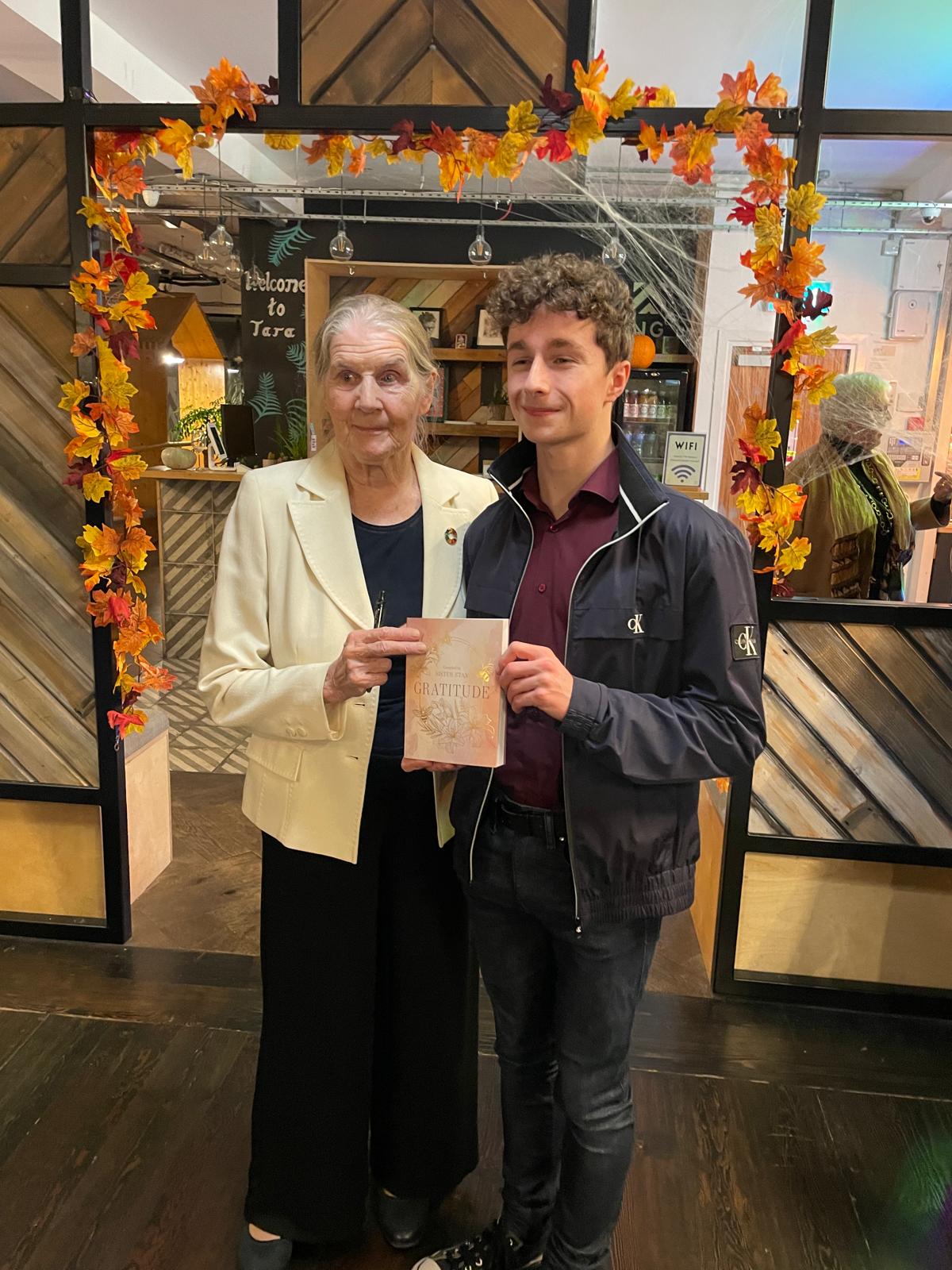
I served as Grand Marshal of Limerick's 2024 St Patrick's Day parade and presented with the other Coláiste Chiaráin finalists at a University of Limerick EPI·STEM seminar. I later returned to the RDS to help open the 2025 exhibition beside President Michael D. Higgins. In November 2025, Cormac Byrne included my portrait in Faces of Limerick: Chapter 2, exhibited at Fitzgerald's Woodlands House Hotel & Spa in Adare. I never kept a complete list of the engagements.
At the BT Ireland Executive Leaders Forum on the morning the 2025 exhibition opened, I spoke about how difficult it can be for students to get their first experience of STEM work. My own search had shown me how difficult that first step could be. I wanted more students to have access to meaningful work experience.
Putting it down
I kept VerifyMe off this portfolio because every unresolved result felt like work I still owed the project. Since V2, I have removed the handcrafted representation, rebuilt the training method, fixed the hard-negative mining and tested it on another modality. The training got better. Authorship verification still felt unfinished.
As AI models improved, the limits of this approach became harder to ignore.
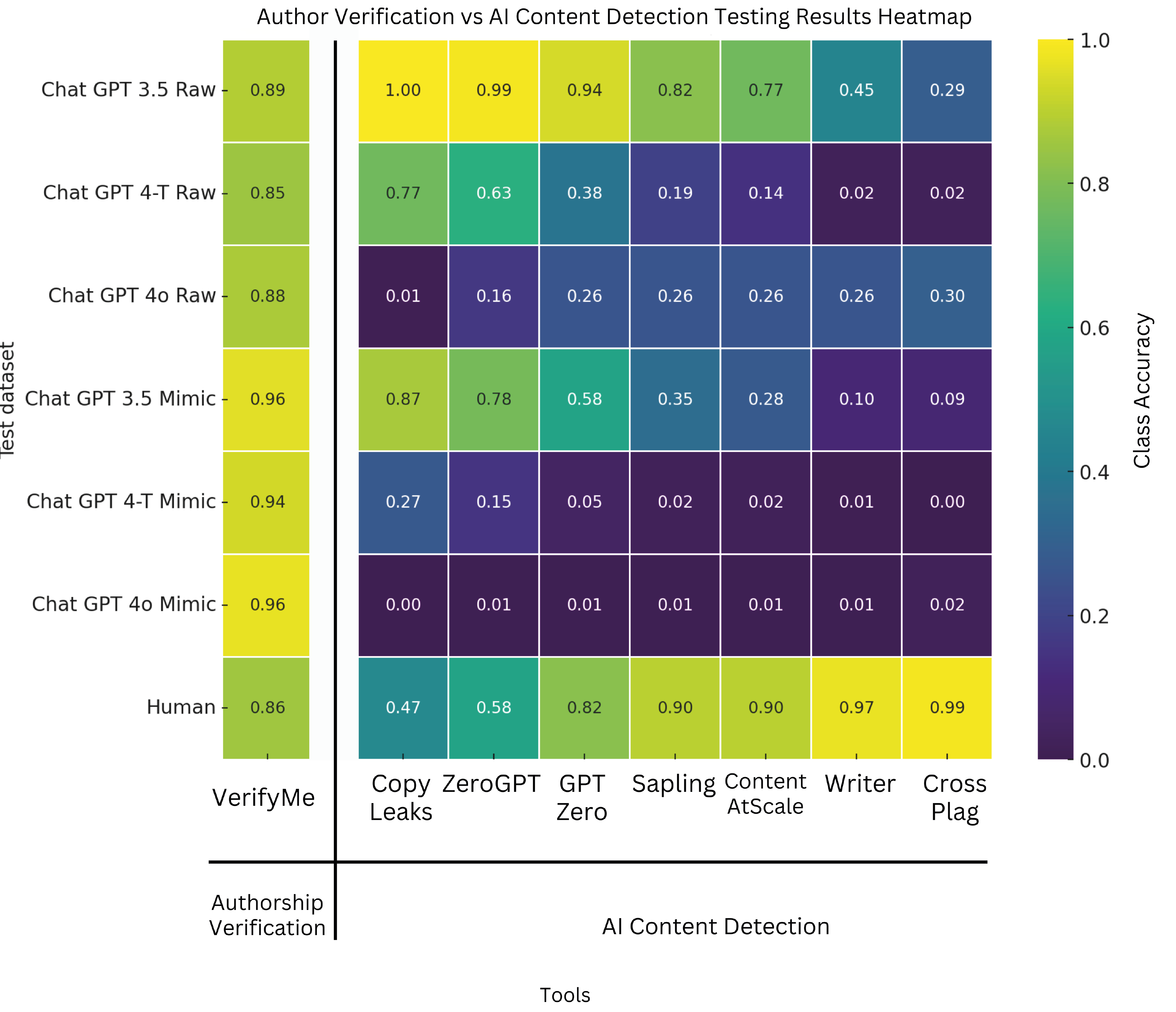
I have spent a lot of time reading about and testing AI-content detection. In my own tests, Undetectable.ai, QuillBot and other paraphrasers stripped away the surface signals used by conventional detectors. This made me question how durable these methods could be as models improved.
In recent tests, GPT-3.5, GPT-4o and GPT-5.2 imitations entered the calibrated writing region for the requested author at mean rates of 32.5%, 41.4% and 51.3%. The model had been trained on Project Gutenberg and did not transfer well to BAWE. Three model generations and two very different corpora are nowhere near enough to turn that pattern into a scaling law.
I read an article about making AI writing sound more human. It made me think about how research into the differences between human and AI writing could also help models close those differences.
I am putting VerifyMe down. I want to carry what I learned into other work.
Acknowledgements
Ms Farrell and Mr O’Sullivan guided and encouraged me throughout the project. Dr Brian Clancy at MIC pointed me towards the BAWE corpus. Paul Wynne, Jason O’Shaughnessy and Jeff Mccann at Dell Ireland gave me access to the virtual machine I used to build V2. Emma Redmond and Colin Jarvis at OpenAI provided the API credits I used to develop V2.
The project also depended on the teachers who spoke to me about generative AI in their classrooms, the researchers whose work in deep learning and stylometry I built on, and the people who created BAWE and Reuters50-50. Researchers at OpenAI also shaped how I thought about AI-content detection through their work and public writing. The European Commission, the University of Silesia and the Polish Children’s Fund hosted EUCYS 2024 in Katowice.
My family and friends supported me through all of it. My parents drove me all over the country for the talks, meetings and events that followed. I could not have done any of that without them.
I am incredibly grateful to everyone who helped me and for all the doors this project opened. I promise I will use it well.
Archive